
Ep. 65 – Equine Herpes Podcast
In this episode
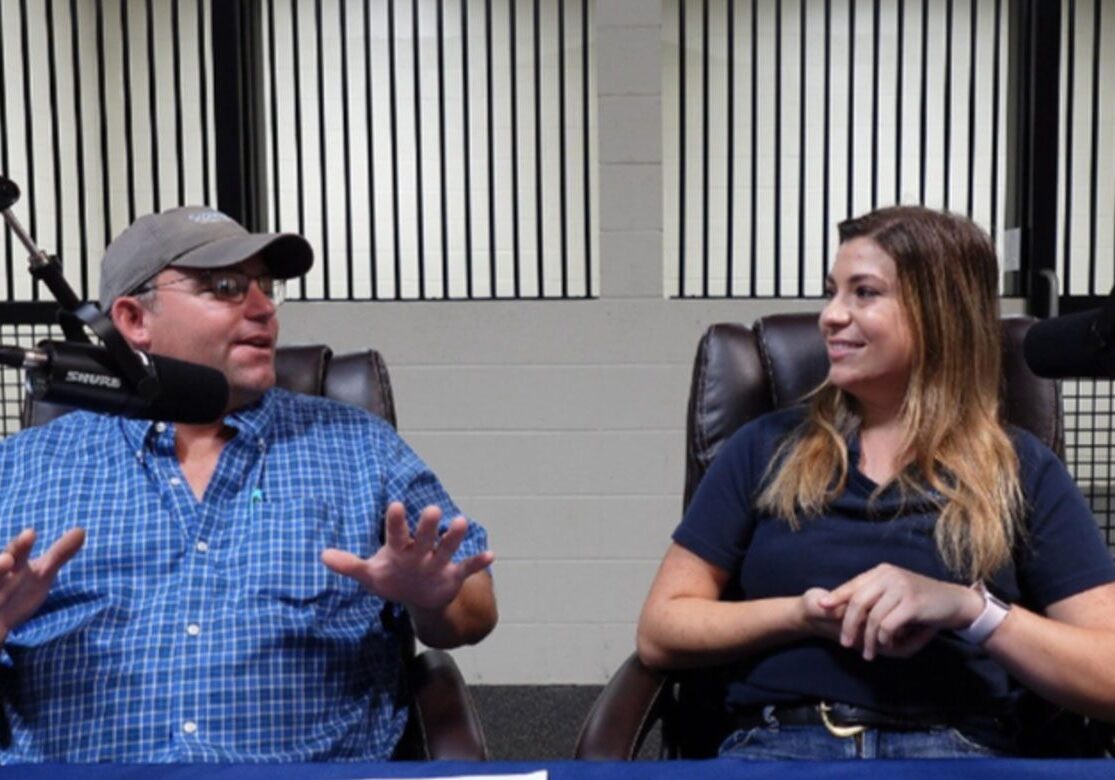
The current EHV-1 neurologic outbreak in the United States is a serious and fast-moving situation—and horse owners everywhere need accurate, veterinary-led information. In this urgent episode of The Equine Vet Connect Podcast, Dr. Dan Carter, Dr. Caitlyn Hoffman, and Dr. Caroline Brown break down the facts about Equine Herpes Virus, how it spreads, what symptoms to watch for, and what to do if your horse may have been exposed.
Using the most up-to-date guidelines from the ACVIM and AAEP, this episode cuts through misinformation and gives horse owners clear, step-by-step guidance on protecting their horses during an EHV-1 outbreak.
We cover:
- Key differences between EHV-1 strains, including the neurologic form (EHM)
- Early clinical signs, fever patterns, ataxia, and urine dribbling
- How EHV-1 spreads at shows, barns, and events
- PCR testing, exposure timelines, and when to involve your veterinarian
- Antiviral treatment options and necessary supportive care
- What vaccines can and cannot do
- Practical biosecurity steps every barn should implement immediately
If you are traveling, showing, or worried about possible exposure, this is essential listening. When in doubt, call your veterinarian and stay home. Our goal is simple: clear facts, zero fear, and a solid biosecurity plan to help keep horses safe during this outbreak.
Episode Transcript
All right. Welcome back. The Equine Vet Connect podcast. We kind of threw this one together, not, not impromptu, but kind of, um, it was on the list of things. We just, it jumped the line. Yeah. Yeah. We, we sped this up so. Um, I got Dr. Caitlyn McCauley with me here today, actually. It’s, uh, yeah. Caitlyn Hoffman now.
Yeah. Mm-hmm. I’m probably gonna screw that up forever. It’s like, and it’s like the new year. It’s, it takes you two months to actually get used to it, so. Yeah. You know, most of the people I’ve worked for, their last name never changed in my mind. I just keep rocking with it, but it’s okay. I mean, we got Caroline Brown over here who’s actually Caroline Fiol can’t get that one right either.
Legally. But legally here, I’m, I’m still Brown, so Yeah, still Brown. So he didn’t go to school. He don’t, he don’t get that. So I get it. It’s all the same. So, but uh, yeah,
So in light of recent events, I don’t know how many people by the time this podcast hits, I think everybody that owns a horse’ll probably know about this, but we’ve had a little herpes outbreak out in the Texas world, right?
Texas, and I think it has spread into Oklahoma. Oklahoma as of the filming of this podcast. Yes. Yes. And, throughout the day today, we have become inundated with phone calls. Like, “what do I do? What do I do? What do I do?”
So what we’re gonna do today is we’re gonna, we’re gonna just tell y’all the truth.
About herpes and what you should and should not do. What’s important, what’s not important. ’cause if I see one more personal TikTok spouting out some stupid stuff, I may lose my mind. Yeah. So first thing I’m gonna start with is: get medical advice from someone whose first name is Doctor. Yes.
Okay? Amen. That is, we should just end the podcast right there. So, amen. Yeah. So if their first name isn’t doctor, do not trust them for medical advice. I think that’s just a good rule to live by in veterinary medicine. And in human medicine. Correct. There’s a lot of, kind of panic, pandemonium, misinformation being spread around.
It’s easy to get kind of lost in the sauce when these things happen because everybody jumps on the train and wants to put information out as fast as possible, but that’s not always accurate or advisable for every person’s situation. So we just wanted to come on and, and like Dan said, give us the facts, give everybody the facts, and then remind you to make a plan with your veterinarian for your specific situation.
Yes, yes. Everything we’re gonna tell you today comes from basically two resources. Mm-hmm. Um, most of this we knew inherently already just ’cause we try to keep up. I I’ve been through a couple of these already. Mm-hmm. But we wanted to make sure everything was factual. So we got two resources. We’re gonna be kind of breaking down for you.
Uh, one of ’em is a consensus statement from the American College of Veterinary Internal Medicine Peoples. Woo. Yes. These are a lot of really smart people that study herpes. Um, the other one is the AAEP, American Association of Equine Practitioners. We’ve got their, uh, herpes virus guidelines as well. Uh, these are very recent.
Um, in fact, the A-C-V-I-M is not even a year old yet. No, it’s not. It’s so, it’s very, very recent. So very recent. And, um, the, the one from the AAEP, it’s about three years old, but I’ll be real honest with you, they both read about the same. Mm-hmm. Um, this one. So let, let’s dive into this. Um, but you need to know, like what we’re telling you is facts.
It’s the truth. It’s everything you needed to know about the herpes virus. Correct. So, um, we’re gonna dive in. Um, herpes virus is, we’re gonna be talking about today mostly is equine herpes virus one. There is a three and there is a four. There’s a two, but and a two. There is a two and a five and a five.
But the ones you mostly hear about are one’s three and four. Yes. But five is, I’ve had, I have found five a couple times. Mm-hmm. It’s a bingo card one. It is a bingo card. Yeah. Definitely a check mark. Um, so one and four, the ones we most commonly hear about. That’s the ones. If you’ve ever had your horse vaccinated for rhino or herpes, we’re talking about one and four.
Um. So they can cause upper respiratory signs. They both cause upper respiratory Yes. One’s a little bit unique. Yes. It can cause abortions and it can cause uh, there’s a neurologic form. Mm-hmm. Yes. And when you start to hear about these big outbreaks, most of the time it’s because this neurologic form is what’s going around.
That’s when people start to get really scared. Mm-hmm. Right. Is that specifically these neurologic strains? Yeah, because the, the respiratory stuff and the abortion stuff, I don’t wanna say it’s quite common, but it, it happens. Nobody really gets worked up about it. Uh, nothing. I mean, it’s pretty self, I mean, with the abortions not self, I guess it is technically self-limiting.
It is, yeah. Well, and once you evict the one resident, you. Don’t have another one. So true. Mm-hmm. Yeah. But, so let’s dive into the neurologic form of herpes. ’cause that’s really, if you’re listening to this episode, that’s really what you care about. It’s the neurologic form of herpes. Mm-hmm. So let’s, let’s dive into this.
Um, interesting enough, there are both the neuropathic form and the non neuropathic form. Mm-hmm. But the non neuropathic can cause, neur can cause neurologic signs. Yes. Which is. Annoying. So let’s, let’s cover that one real quick. ’cause it’s pretty quick. Or not quick, but it’s, it’s kind of interesting. Um, I feel like we can dig into that one pretty quick.
Mm-hmm. So we’re gonna talk about the non neuropathic form of herpes virus one. Yes. That also causes neurologic signs. Neurologic signs. Yes. So, so this is this disease, we call this rhino pneumonitis. Um, basically you see a lot of respiratory signs, fever, and we’re talking like 104. Plus. Yes. Yes. Um, very high fevers.
106 is not uncommon. 106. Yeah. Um, so very high fevers. Um, nasal discharge, coughing on these guys. They feel like crap. Yep. Mm-hmm. Um, and they get vasculitis. And the vasculitis is where we think a lot of these neurologic signs start. Happening. Yeah. Vasculitis. Just where your blood vessels get inflamed.
Yes. They get really ticked off, really angry. Um, and that’s, that’s where the vasculitis starts. Yes. And the, then there are vessels going all over your body, including to your spinal cord. Mm-hmm. And brain. And your brain. So when those get inflamed, those will cause some neurologic signs. Mm-hmm. And so even if you have these non neuropathic strains.
If you have inflammation in this area, you are going to get some neurologic signs. Mm-hmm. So that’s why the neuro non neuropathic will cause, or can Cause, can cause that Neurologic signs. Yeah. Vasculitis. They can actually lead all the way to blood clots. Mm-hmm. Yes they can. You can start to get some blood clots.
Hemorrhage. We’ve seen some that. They throw some massive, massive clots. Clots. Massive clots. Yeah. And that’s essentially what happens when you have a stroke. Yes. Easy way to think about it. Mm-hmm. So that’s a non neuropathic form that actually causes neurologic disease. That is some. Great naming Yes. Way to go team.
The, the whole thing about herpes is that it all kind of intermingles and overlaps and so it can make, it can make kind of weeding this out and figuring out exactly what you’re dealing with, a little bit difficult and makes the, the tracking of the disease process a little bit hard. Right. Um, because it, it’s not cut and dry.
None of this is black and white. It’s, it’s all the clinical signs kind of ebb and flow and they overlap and so it, we have to really be. Diligent about watching these things and, and figuring out what exactly is going on. And especially when you’re just talking about the respiratory signs. Mm-hmm. They’re not very specific either.
No. So this can look like a lot of things. A lot of different things. Mm-hmm. And the only way that we really know what we’re doing is when we start testing for it, which we’ll talk about a little bit later. But, you know, this can look like a lot of things. And so, you know, when we’re dealing with a sick horse, that’s where, you know, hey, this biosecurity in your barn, which we’ve talked about across.
Many episodes. Yeah. Mm-hmm. Comes into play. Well, and going back to those clinical signs, you know, this can look like influenza. Mm-hmm. It can look like a strep zoo infection. Mm-hmm. It can look like an EVA infection. Mm-hmm. Equine Viral Arteritis. It can look like any of these, and we’re, we’re gonna get into testing later, but this, this is truly where you’ve got to.
Testing and test often. And test early. Mm-hmm. Yes. All right. PCR, these guys figure out what you’re dealing with. ’cause it’s very, very important you know which one you did. ’cause flu. You’re gonna manage completely different than you are. Things thing comes back positive for EHV one. Yes. Even if it comes back positive for EEHV four, we’re cool with that.
Yeah. EVH four is like we’re smooth sailing. Mm-hmm. Yeah. With that we’re fine. That one, I don’t even think that one’s reportable in this state. I don’t know if it is or not. Come to think of it. No, it’s not. So it’s not, I always have to look that up, but Yep. But one, that’s where the vasculitis comes in.
Mm-hmm. That’s where we can have these blood clots. That’s where we can have, you can actually get hemorrhage from it as well. Mm-hmm. Yeah. Both ways. And that’s where you can get, that’s when the non neuropathic form, cause its neurologic. Mm-hmm. And the only way, we’ll talk about this later too, the only way we’re gonna separate that out is we’ve gotta run the PCRs and type, which one of the.
Yes, all a herpes one virus, but there can be different mutations that, that cause this. Mm-hmm. And so knowing which one you’ve got is, is how we’re gonna go about managing it, right? Yep. So testing is really, really critical. So when we’re talking about the neurologic form of herpes virus, we’re talking about these, uh, these gene mutations that cause it to attack the, the brain and the spinal cord.
Mm-hmm. So that, uh, that leads to some pretty acute neurologic. Signs. Yes. Um, one of the, the hallmarks beyond that high fever is the dribbling of urine. Yes. That is basically almost pathognomonic. These horses, they just stand there and dribble urine constantly. Mm-hmm. And so that’s, that’s when we walk in, we got a high fever and this thing’s standing there dribbling urine, we all get a little puckered.
Mm-hmm. Little, little bit of panic. So, because that’s, that’s when the paperwork starts. Yes. And again, it’s not, not always necessarily herpes, but we are treating it as such until proven otherwise, right. The other things like dog sitting, um, ataxia, kind of recumbency, weak backend, things like that. Um, those, again can be lots of other things, but if we see that horse that’s really weak in the backend or doing what we call dog sitting, that’s the first place my brain goes is EEHV one.
So especially if that fever’s involved. Yeah. Yes. That’s a big indicator because again, if you think about, uh, a common thing is EPM. Mm-hmm. Prot, encephalitis, very similar clinical signs. Mm-hmm. But they don’t get fever signs. They don’t have fevers. Right. Yeah. And one of the things I’m seeing a lot with this outbreak is they’re saying that some of these horses are getting these respiratory signs.
Zero fevers at all. Mm-hmm. Which I’m not saying that they never did, but sometimes these fevers can hit very early. Yes. And they can be hard to catch. They’re, they kind of go in two phases and they’re transient. They kind of come and go. Mm-hmm. And so, unless you’re checking these horses diligently, or if, say you’re still checking them twice a day, but their fevers come, you’re checking them at eight and eight and their fevers coming at 10 and 10.
Mm-hmm. You may miss it. Yeah. I might miss it. Yes. Well, it kind of takes a break in there, like days one and two, you’re more likely to catch a fever and then day six and seven mm-hmm. That’s the next best time to catch that fever. Right, right. So it can be, it’s, it can become very difficult, right? Mm-hmm. So, so we’re not, like Caroline said, we’re not saying that they, We’re not saying that they, that like, you miss something, but you, it’s very possible.
It’s possible. This, this disease does weird things. Yeah. It, it is a weird, it is a weird guy. So. And, and that’s what also makes it difficult when we get into the management. You’re trying to figure out what it is and what to do and how to respond. Mm-hmm. Mm-hmm. And a lot of it’s gonna depend on what you see when you arrive.
Yes. There’s a lot of things that have to be weighed, and that’s why like early interventions a, a big thing. Mm-hmm. So, so when we’re talking about herpes, um, herpes infections are very common in horses. Most horses get herpes. At a very young age. At a young age, Uhhuh, and it stays latent as we all learn in health class.
Herpes is forever. You don’t really get rid of it. A gift that keeps on giving. Yes. And it’s when these, when this virus becomes activated again or mm-hmm. Or is no longer latent, and that happens with times of stress. So travel showing, which is why we tend to see these outbreaks at shows. That’s where they typically originate.
Mm-hmm. Yeah. And, and when that, that starts to happen, this virus becomes active and it’s a mutation in the virus. Mm-hmm. Is what sets us up for the neurologic form. So it’s not like you, it’s been sitting there latent as a neurologic form of the virus. It’s been just there and this thing can pass around.
Oh yeah. This thing. This virus gets around. Um, it’s not just nose to nose contact. This thing can travel. Yes. This thing is airborne. Yeah. Respiratory droplets. So coughing, uhhuh, snorting, um, all of those that. Put respiratory secretions like mucus into the air, those suckers can mm-hmm. Go. The most common form is that nose to nose contact.
Mm-hmm. Where you’ve got the direct contact, that’s the most likely form of transmission. Yes. However, aerosolized droplets can cause it. Mm-hmm. And then if you’ve ever been sneezed on by a horse, uh, you know, there’s a lot of droplets that can travel. Yeah. Uh, 34 feet. That’s how the, the farthest thing can travel.
Yes. Only sneezed, uhhuh four feet. Yeah. And, and I think that’s important to remember when we get into, uh, biosecurity and, and such. And, and the other thing is environmental contamination. Yeah. Mm-hmm. This thing one, this is survivor. I was reading in here, we’re looking about 14 days in optimal conditions without disinfectants.
Yes. I read 35 in some situations up 2 35 prime optimal conditions. That is crazy. Like for a virus. So that comes into play when we talk about like environment and fomites as well. Mm-hmm. So fomites is anything that like. Brushes, um, boots your clothes, your, you know, your buckets, bits, tack, all of that.
Yeah. Yeah. Mm-hmm. So it, it, it’s really critical when you’re, if you find yourself into this, like, this is a time when I always say, I need you to start thinking mm-hmm. Who have you come into contact with? Mm-hmm. ’cause we’re trying to determine your risk. Right. That’s how we’re gonna advise you is we’re gonna look at your risk scenario.
Because when you’re dealing with these kind of transmissions, if you say you were stalled right next to a person that had this, we’re a lot more worried than if you’re like, nah, I just stayed at the trailer whole time and didn’t really see anybody. Mm-hmm. Or if they were multiple barns away. Right. You know, we’re, we’re still gonna be on alert.
Mm-hmm. But if we’re kind of going on a, you know, risk based. And you’ve gotta think about timeline too, because every disease has what we call an incubation period, which is your time from when you were exposed or when you picked it up to when you start seeing clinical signs. And that with this one can go anywhere from 24 hours to six days.
Mm-hmm. So you kind of have to think back on that whole timeframe of like, okay, where were my horses? What were we doing? You know? Especially if you’ve gone multiple places mm-hmm. In that period. Which is why I think it’s amazing that they’ve been able to track this as well as they have been. Mm-hmm. Like, ’cause I mean all this kind of has broken within the last like 24 hours.
Yeah. But I mean this, this show that they’re all kind of connecting it to, that was several weeks ago. Mm-hmm. But the fact that they’ve all been able to trace everything back to that is like massively impressive. Yeah. That, well, and I think that’s what makes it challenging too, because you can be shedding virus before.
You’re showing clinical signs, correct? Yes, you can. So you’re looking at a 24 hour to 16 incubation period, but you may not be showing these fevers for several days. Right. Well, during that time, you’re shedding virus and, and again, you know, this virus likes to sit around and be latent and it shows up at horse shows and with horse shows you’ve got people coming from all over the place.
Right. Well, and that’s what makes this particular ’cause this is, this is one thing I’ve seen. I’ve been through a couple of these outbreaks. Most. If you think about it, like if you’re at an at a jumper show, you’re at dressage show pleasure, show cutting shows. Those type of venues, people show up and they’re there.
Mm-hmm. I mean, it could be anywhere from that weekend and it could be, or it could be several weeks long, but people show up and they’re there. Mm-hmm. This happened in a rodeo type. Setting, and they’re probably run into there. Some of these horses are gonna compete multiple times that weekend at different places.
Right. They’re gonna hit multiple different shows. And that’s just, that’s just the risk of that particular, and that’s the thing, like I don’t want anybody jumping on here and saying like, oh, they’re just running around everywhere, spreading disease. Like no, that, that’s just the way this event works.
Correct. Right. And there’s nothing wrong with that. And if you really, look, I’ve been a part of four herpes outbreaks in 15 years. You know, or not been apart, but I’ve been aware of four herpes outbreaks in about 15 years. And so when you really think about it, your risk isn’t like, you don’t wanna run around worrying about this.
Right. If it’s gonna happen, it’s gonna happen. Right. But there are precautions we’re gonna talk about you can take. Right. And the biggest things, when one of ’em does show up fast identification, biosecurity, how to be protected, things of that nature. Mm-hmm. But that’s what makes us a little trickier is ’cause it can spread quite.
Quite rapidly. Yes. And, and again, in the nature of a horse show where you have people coming from all over and now they’re dispersing and they’re going back to mm-hmm. Where they came from, they’re going to the next show, now they’re interacting with these horses and your web just keeps getting bigger and bigger and bigger.
And it’s, it makes it very difficult to track that. So, yeah. You know, and that’s where it can get scary. ’cause I think this event that they said that this might’ve originated from, there were over a thousand horses there. Mm-hmm. So let’s talk about. Because like, I, I, I, because one of the things I wanna make sure we don’t do is spread a lot of fear, right.
We want to spread facts. Right. Not fear. So I don’t want anybody freaking out ’cause Right. I feel like that’s what I’ve been dealing with all day is everybody’s freaking out. Panic. Panic. Yeah. Yes. You know, one of the things I’ve noticed, it usually kind of sits within a certain discipline just because those, those horses are together.
Mm-hmm. So, being in the western world. Barrel horses, you’re, you’re, because I think it originated in some barrel horses a big barrel race. And so if you’re in that world, you’re more likely to come in contact with those, those individuals, and it’ll say you were, um, showing Arabs. Mm-hmm. You know, it’s gonna be a d it’s different.
Mm-hmm. So you gotta really look and say, okay, what’s my population that I’m, that I’m around? Right. What is my, my risk there? Um. And then also if you find yourself, you’re like, I think I could have been exposed. What do you need to do now? Like that? ’cause that’s the question we get asked. Like, I may have been exposed.
Mm-hmm. What do I need to do now? Call your veterinarian. Call your vet. Yes. And figure out a plan. Yes. ’cause we, you know, and again, that’s where we’re gonna say, hey, if you were next door to somebody that was showing signs, or they just, you know, were really suspicious of a case. Or they just got confirmed.
We might tell you don’t go home. Right. Do not go back to your home barn. If you’ve got other horses there, you need to consider that. Yeah. You need to not go back to that home barn. Mm-hmm. We might say, Hey, you need to find some temporary lodging somewhere else. Mm-hmm. Because if you were that exposed to it, we can’t risk bringing this back.
Right. Right. And so, you know, if you do go, because most of the time you’re going to, unfortunately you’re gonna be home before. We find out what this happened, right? When you look at incubation periods, by the time this actually hits that this occurred, and we’ve got testing back, things like that, most likely you’re gonna be home.
Mm-hmm. So when you do get home and you realize you may have been exposed, stay there. Stay there. Don’t leave, stay there. Let’s don’t travel. Okay. If you, if you have the risk, and this is, this is our advice. Yeah. This, your veterinarian may have something different, but I’m gonna tell you stay home. Yeah, I’m gonna tell you to stay home.
We’re gonna start monitoring those temps twice a day. That temps above 101.5. I need to know, like I need to know. It may not be this. Mm-hmm. But if that temps above 101.5 i, I need to know about it. And you need to be taking the temp on all of your horses that are there. Like even if the other horses didn’t travel, even if they’re not showing signs yet.
Start taking temps, right? If possible, try to isolate the horse that was possibly exposed. Try to isolate those from the other horses, if at all possible. Mm-hmm. Remember that? 34 feet, if 34 feet’s good. 50 feet’s. Even better. Oh yeah. Oh yeah. Try to prevent spread by shared water buckets. Mm-hmm. You know, when you feed, feed them last.
Yes. When you, when you take care of them, take care of them last, um, try to do whatever you can to minimize that. Now, the hard part is like shutting the barn door when the horse is already out. You’ve come home, you’ve reintegrated ’em into the herd. There’s a high risk that if they had this virus, it may jump to the other horses.
Mm-hmm. But I still think it’s a good idea. Let’s, let’s segregate just in case based on incubation periods. Mm-hmm. Maybe your horse isn’t shedding virus yet, so let’s, let’s get them isolated. Right. Um, it is varied in these two different papers as far as how long Yeah. We should keep ’em isolated. Yeah. Yeah.
I saw 28, 14 to 28 days I saw, you know, uh, 21 days. Mm-hmm. It’s kind of, I think it really, again, I think it depends on the nature of the disease. I think it depends on, you know, how they’re shedding, like how sick they are. Mm-hmm. And that’s, I don’t think we’ve even mentioned, so this disease is reportable.
In. Mm-hmm. I think all the states it is. Yes. And so if we run testing for this disease or we’re highly suspicious of it, like we’ve got a case and we’re awaiting our test results, we let the state know. The state often knows about it before we get, before we get it resolved. Because these laboratories have to mandatory report mm-hmm.
To the state. So by the time that they’re emailing it to us, the state’s already called us. Called us and been like, Hey, um, so when you have one of these outbreaks. The state will be getting involved. Yes. With you. They’ll, and they are helping us as a veterinarians to, you know, set these guidelines and do all that.
And each state kind of has their own like, set of ways, but it’s gonna be really case dependent on things. And you know how big this outbreak is? Is it one horse? Is it four? You know, how sick are we? What are, what kind of signs are we showing? Well, and that’s, that, that’s where, you know, if I’ve gotta give my thought, it it, I’m gonna say stay home 28 days.
Mm-hmm. Mm-hmm. I mean, that’s just kind of my, my personal take on this, right? It is, it’s 28 days. If fourteen’s good. If you’re 14 to 28, I’d rather take the 28. ’cause you don’t wanna be that person, right? Yeah. Like, oh. Dan brought herpes. Mm-hmm. To the horse show nobody in and nobody out. Yeah. So, yeah. You wanna just shut it down?
Yeah. 28 days. Let’s don’t go anywhere. Right. If you think you’ve been exposed, check those fevers twice a day. Call your vet if those fevers pop up or if you start to see if you start to see any of the other clinical signs. Your fever, if you’ve got a snotty nose. If you’ve got those ataxias or that wobbliness, we talk about if you’re dribbling urine, this is not the time to safety up and wait and see.
It’s time to make that phone call. Mm-hmm. Mm-hmm. Because we’ll talk a little bit about that into possible treatments of this. We’ll talk a little bit about that then about why that’s important in early intervention being important. So, so the, the, the other question we get is like, okay, okay, I have been exposed.
Um, is there anything I can do? To treat this. I guess that’s a good, before we get into vaccines mm-hmm. Since we were talking about exposure, like what, what, what exists out there to treat this infection? So treatment is, so, it’s a virus, right? So we can’t reach for antibiotics. Antibiotics are not going to help us in this situation.
Um, like. any Dewormers, things like that is not gonna help you in this situation. So we basically have two things that we can go for, which is, um. Antiviral medications and supportive care. This one’s gonna lean very heavily on supportive care, time, hydration, you know, keeping them fed, um, making sure they’ve got good nutrients on board, um, hydration, all of those things. Just all the supportive care, um, that they need to kind of heal and get through this. But then we can also talk about the antivirals. Yeah, so we start talking about antivirals. There’s two big ones that we talk about.
One of ’em is Acyclovir. Mm-hmm. And the other one’s Valacyclovir. Mm-hmm. There’s not a great deal of studies on how efficacious this is, but in what we do know, valacyclovir does tend to be better than Acyclovir. Mm-hmm. But what stays, what is probably most important is early intervention is the most important.
Correct. Like they actually showed, like if you were, if you were in a barn and a horse did have this starting on, valacyclovir has a better chance of preventing your horse from getting it than if you start treating them. If they do have it, if they’re already showing signs. Mm-hmm. Yes. But that is one of the ones we typically reach for is Valacyclovir.
Um, again, supportive care being number one. Yeah. Mm-hmm. Number one. Yep. And in some of these, we’re gonna reach for steroids. If we start to show the neurologic signs, that’s we’re gonna start reaching for steroids. Yes. And this is also why it’s really important to be with, you know, to talk to your veterinarian mm-hmm.
To figure out where, based on what you’re seeing and what you’ve got of where you need to be. Right. And, and the one that I saw, the, the HEM case, we ended up catheterizing that horse’s bladder, just because the other thing, when they, they’re dribbling this urine, they’ve got this acne too, so there’s. No muscle contraction going to there, so they can’t even empty their bladder themselves, which is a lot of times why it’s dribbling.
Mm-hmm. And so putting a catheter in these guys, keeping them on fluids, watching this, that is like so, so important with these right. And, and, and tell your vet, like if you call ’em, like, we have a lot of people that haul in here, but if your horse starts showing these clinical signs, make sure you tell them like, Hey, my horse has been ex or possibly been exposed to this.
Yes, yes. Because we’re gonna probably tell you to stay home and we’re coming to you. Yeah. Correct. Like, we’re coming to you on this one because we’re trying to prevent that movement. Mm-hmm. Right? Mm-hmm. I mean, and if we do hospitalize, you gotta be in an isolation type facility. That’s right. Which is really important.
Yeah. And, and that’s what’s tough too, is you know, certain facilities. Can’t do proper isolation for this. Mm-hmm. Like this is like, we kind of have like our levels of isolation type stalls. This is like full iso, like you are like top tier hazmat suit type. Yeah. You know that. And a lot of places can’t do that.
Mm-hmm. They just don’t have the infrastructure for that. So because it is highly contagious, it’s very contagious. So that’s the difficult part when you start getting into treatment. We don’t have great options. Like I said, valacyclovir is our best option. Steroids mm-hmm. Is a, is the next great one. And then supportive care.
Yeah. But. The, the other side, the other downside to this is some of these neurologic symptoms they develop, they can be longstanding. Yes. They’re not going to, they may not get over these quickly. Mm-hmm. So these could last for months and months and months. Mm-hmm. And so you, you don’t really know what’s gonna be on the other side.
But we do know the sooner we can intervene, the better. The better off you are, the better chance we get. Yes. That’s, that’s really important. If you see these clinical signs, and I’m gonna go through ’em again, fevers, that’s anything above 101.5, snotty noses, dribbling urine, weak or staggering. And you’ve been in a situation where you could have been exposed.
Mm-hmm. You need to call your veterinarian immediately. Yes. Yeah. This is not a time to sit and wait. Nope. So the next biggest question we get asked a lot is, is prevention. Hmm. What can I do to prevent this? Um, this is where it gets tricky because the, the best prevention is to try to avoid it, right?
Correct. But we’ve already talked about the downside is you may not know you’ve become, you’ve come in contact with one of these horses before. Like you may not know until weeks later. Like I said, this outbreak was, was was a week or two ago. Yeah. And the tricky part is, is a lot of these horses can be carrying this and shedding it with no clinical signs.
Yep. And so you don’t even always know where you got it. It’s not like you can look out at a show pen and look at that horse and be like, oh, yep, that’s the horse that is showing clinical signs. Mm-hmm. That’s where I got it. That’s not how this works. Yeah. Because that’s the thing to remember is nobody’s showing up to the horse show with a sick horse.
No. Correct. Not on purpose. No. So, um, you know, trying to, there are things you can do while you’re there to try to minimize that contact. I think that’s just a good rule in general is if you can minimize that contact with other horses, that’s always a great thing. Mm-hmm. Yeah. Up biosecurity is key, right?
Yeah. Um, we’re gonna talk a little bit about vaccination. Mm-hmm. Because this is, it’s the hot topic. This is the question I get asked. Are we vaccinated for herpes so we shouldn’t be able to get it right. Wrong. Wrong, wrong, and we talked about this when we did our vaccine podcast. The point of vaccines is, in any disease is not to prevent you from contracting the disease, but the point of the vaccine is to equip the body to be ready to handle it when you do contract the disease.
Yes. That’s the whole point of vaccines. Mm-hmm. This case is a little different because there’s not a vaccine on the market. That is labeled to protect against the neuropathic strain of EHV one. Yes. And if someone tells you that there is, they’re incorrect, they are lying. Yes. They do not have evidence of that.
No. Unless something comes out in the next two days, which would be a a miracle, before this podcast is published. So. So let’s talk a little bit about that, about the vaccines. ’cause we’ve got, in my mind, I think about we basically have three different vaccines. Mm-hmm. For this, we have got the, um. An animal group. The, the, the killed vaccines.
There’s a killed vaccine, which is an EHV one, four, and a, um. Along with the pneumabort , which is an EHV one. Mm-hmm. Straight into EHV one. That’s when we use in pregnant mares. Correct. Um, is that correct? Yes. EHV 14 was a killed vaccine. Well, eh, EHV one, it’s, it’s specifically the strain that causes the aborted vaccine.
So, yeah, so we have those two vaccines. Those are given intermuscular, and they produce what’s called an IgG antibody. So this is an antibody that circulates in the bloodstream. So once the virus, you get what’s called a viremia, meaning once the virus has entered the bloodstream, then this particular antibody can go to work.
Mm-hmm. Mm-hmm. But it has to get in there. It has to start circulating the body before it can do its thing, do its thing. Mm-hmm. The next one is we’re gonna talk about is the inter nasal vaccine. Okay. Which is a killed vaccine as well. Mm-hmm. But you actually give this, um, intranasally. Mm-hmm. Because if we back up a little bit, the way herpes ends up in the body is you, it enters through the respiratory mucosa.
So either through, and all that stuff’s kind of tied together. Either you sniff it or you eat it. Like one of the way it’s gonna go and it’s gonna enter through that respiratory mucosa. Mm-hmm. Now the, and then once it gets there, it can spread to the lymph nodes. Once it gets to the lymph nodes, it spreads to the rest of the body.
Mm-hmm. If you give an intranasal vaccine, you actually get what’s called IGM or mucosal immunity. Mm-hmm. So the thought process behind that is if we get this mucosal immunity, we can actually, hopefully stop the virus from entering the body. Correct. So. Which is great for the non neuropathic form. Mm-hmm.
But antibodies are specific. Yes. So the neurologic form, it’s not gonna be all that helpful. No. But if you’re talking about a non neuropathic form, the, a nasal vaccine does have some, some show in theory should have really nice efficacy for that. Yes. Right. The, it’s said that it is supposed to do kind of two things.
Number one, it reduces the viremia of it, which is, you know how hard that disease hits you. So the fevers might not be intense. Mm-hmm. They might not be as sick. As they would be if they were not vaccinated. It also is going to decrease the rate of which that virus sheds. Mm-hmm. So it’s going to slow down the transmission of that disease, which is, again, it’s not perfect, but it does help in the greater population of things.
Right? Mm-hmm. And really you need both types of immunity. Yes. You do need IgG and an IgM. Mm-hmm. You need both of those. If you wanna be the most protected you can be correct. Mm-hmm. But again, you, there is not a vaccine that is labeled to prevent the neurologic form of herpes virus. Correct. Um, there is also a modified live vaccine, um, the rhinopneumonie vaccine.
Mm-hmm. This modified live. Those are really cool because when we give this vaccine, it mimics what the natural virus would do. Mm-hmm. And so there, most of the time, if you’re talking vaccines, the modified lives can give you a better immune response. Than the other ones. Mm-hmm. But downside is that comes with your, a lot of times these horses don’t feel real great.
Right. No, that’s important. ’cause they’re going through this transient viremia and they can spike a pretty intense fever if you give ’em this one. So. So one of the things when we’re reading through these consensus statements, when we’re reading through this, is the timing of the vaccine. Mm-hmm. Yes. So. You if you’re in the middle of an outbreak, this is not the time to give a vaccine.
No. As far as like, if you think your horse has been exposed, I don’t think this is a really great idea to give this vaccine. Mm-hmm. Because it’s, and we’re talking about horses that could have potentially been exposed. That’s what we’re gonna talk about now. They could potentially could have been exposed.
The reason being is oftentimes when we give one of these vaccines. They can get a transient fever. Mm-hmm. When all of a sudden you give this vaccine, you spike the fever, then million dollar question, is it the vaccine or is it the, or is it herpes? Correct. So it can make that a little difficult mm-hmm. To determine, um, there is some evidence, maybe boosters, you know, we, we like to boost these vaccines.
If you’re on the road a lot, twice a year. But like I said, in the middle of the outbreak, I’m, I’m really on the fence after reading this of whether I’m gonna, I’m gonna suggest boosting a vaccine right now. Mm-hmm. Yeah. It’s, it’s case by case, I mean. Mm-hmm. It really, that’s why we’re saying talk to your veterinarian and figure out your risk and Right.
You know. And, and the good thing is the, the vaccine can help against the non neuropathic strain. Yes. That can also cause the neurologic form. So I wanna make that very, very clear. It does help with the non neuropathic strain. It does. So it is definitely a vaccine that if you’re, if you’re moving around, if you’re traveling a lot, absolutely.
You need this one on board. Yeah. Yes. You need it on board. Yes. And I think it’s, this one’s kind of tough too. ’cause this is one of these vaccines that anybody can just go and buy. Mm-hmm. Really, you do not need to be a veterinarian to buy this, so please do not go and administer vaccines to your horses without some veterinary advice, because this is one of these situations where things can get really dicey if we get into a situation where we are dealing with a suspect outbreak.
Let your veterinarian know. If you’ve been self vaccinating and doing this, because we need to know that in advance. Right. I think it’s very important too. We, we talked about this a little bit when we talked about vaccines on the podcast, is knowing how those vaccines are handled. Yes. You know, I, I told you I have been into tractor supply.
I’ve got the picture on my phone somewhere, I need to find it. But I watched these vaccines sit outside of the fridge on the floor, and there was this. Fan. It was like the fan that’s blowing the hot air, you know? ’cause when you, you know, like when you cool things off, it’s moving heat from inside. Mm-hmm.
So the heat blows out from under the fan. And I watched these vaccines still on the floor. I was there on a Saturday. And I took a picture of it and I was like, that’s really cool. And then I had to go back again on Sunday. Was it still there? It was still there. Oh, I feel bad if I le accidentally leave my cooler on my truck overnight.
I’m like, oh my. Oh, you mean your cooler, that’s shoved with ice packs more than two, four hours? Yes, exactly. And it’s a pretty nice cooler, so it does stay pretty cold in there. But still, I feel, oh my God. But, and my question is, is like, you know, those vaccines were not delivered on Saturday, correct? Oh, so that means minimum best case scenario, they got there Friday and they sat out and like, why would it, you said 50% off put there.
Why didn’t we put it inside the cooler? And so that when people ask me like, why should I contact my vac, my veterinarian about vaccine is quality control. Quality control. Look at, I mean, we got temperature monitors on fridges. We’re constantly watching the state of these vaccines. It’s, we’re checking the dates on them.
Yes. And the lot numbers and yeah, we’re, and like I said, I watched these sit outside I know, for three days. Oh. With that hot fan? Just blowing, oh, that’s terrible. Oh, that makes me, I’ve gotta find that picture. I’ll find it. We’ll post on the podcast. This is an awesome picture. Oh no, it was years ago. It was fantastic.
Oh, that’s awful. So I, I, I think if I was gonna sum up like the vaccine side of things, again, the most important thing is, is talk to your veterinarian. Yeah. Yes. Mm-hmm. Talk to your veterinarian. Yep. If you think you’ve been exposed, make sure you tell your veterinarian that I think I may have been exposed.
Let them help you make that decision. Mm-hmm. Because there’s a lot of things we need to walk through here. Yes. Yeah. Yes. There’s a lot of what ifs. And if, and, and if you haven’t been exposed, like it’s a good idea to have these vaccines on board if you’re travel. Yes. Mm-hmm. Let’s reduce that risk. ’cause like I said, they are protective against the non neuropathic strain.
Mm-hmm. And one thing I will say is when you look at, if you’re looking just straight, eh, EHV one, the, the Pneumabort vaccine, if you want to get a higher titer, if you wanna looking for an IgG titer. The Pneumabort vaccine is gonna get you a great titer. So will the modified live. It’ll get you a great titer. Mm-hmm.
And then the, the, the one four combination again, it’s still gonna get you a, it’ll get you enough of a titer, enough of response to still protect you from disease. Yeah. Mm-hmm. It’s still, they’re still good vaccines. We still recommend these vaccines for the respiratory form and the non neuropathic form.
We just can’t. Per, we can’t promise that they protect against the EHV one neuropathic strain because they don’t. Mm-hmm. And that’s why we worry about this outbreak so much when it happens, is because we don’t have a way to stop it. Mm-hmm. Right. Except for biosecurity. Except for biosecurity. Yes. Exactly.
Yeah. Biosecurity bio, you know, stay home, stay home. Stay home. It’s like COVID all over again. Over again. Yeah. Just if you’re sick, stay home. If you’re worried without the margaritas to go, unfortunately. Yeah. I know. That was the best part of COVID. It was. It was a good part of COVID. So, um, that, that’s where we’re at with kind of vaccination things.
Uh, we’ve kind of cut through treatment. Mm-hmm. We’ve talked about, uh, what to do. Um, you know, the biggest thing is be prepared. Talk to your veterinarian. Be prepared. Don’t panic. Yeah. Have a plan too. Yeah. If you, if you own a barn with lots of horses in your traveling or your boarding facility, have a plan in place mm-hmm.
That in the event that something like this happens. You have an idea. So again, if that means shutting it down and saying, Hey, we’re not coming, having horses come in and out, we’re not traveling. You know, have your vaccines up to date. Keep, keep everybody informed, but have a plan. Yeah. Mm-hmm. And I think it’s a good idea too.
Just review on occasion with a, with your veterinarian, like what is a good biosecurity plan? Mm-hmm. Because I mean, the thing is, if you’re gonna follow real biosecurity, we would never have another horse show. It would never exist. Oh, yeah. I mean, because you just can’t do it. Oh yeah. So it’s what we call acceptable risk, and this is one of those acceptable risk.
Mm-hmm. However, in the case of one of these, it’s a good idea to have a plan and work with your veterinarian to develop what that plan should look like. Yeah. Have ’em out to your facility, look at your facility and say, okay, well this is a great spot for isolation. Mm-hmm. This is where we’re gonna isolate in case something were to occur.
Mm-hmm. Yeah. And this isn’t just for herpes, but a lot of other diseases as well. Yeah. Mm-hmm. And so having that, having that plan in place, it’s gonna solve a lot of the panic. And there’s, you know, there’s a lot of good resources out there for biosecurity and what needs to happen, and then you can print those out and.
And yeah, walk around with your farm, with your veterinarian and go through those checklists and say, okay, I need to go get these things to have them ready so that when you do get in this situation, you’re not panic buying and everybody else is also panic buying. So now the feed store’s outta buckets and mm-hmm.
Like, and trying to find information as fast as you can. And you’re looking at the first thing that pops up on TikTok, which is. Not accurate. Not accurate. So, and I think too, when we talk about, uh, cleanliness, I, I do wanna talk a little bit about that because cleanliness is the key here. Mm-hmm. Proper disinfection, the properly disinfect step one, you have to remove all organic debris.
Man, this is poop. This is shavings, this is dust. You’ve got to remove that. Yes. If you’re talking about a stall that all that has got to be removed, clean and disinfected are not the same thing. Yes. I think we did fire, I think we did this in the Strangles podcast too. We did, we did. And we also did this in the, uh, yes.
The, uh, I think we did this in the vaccine podcast too. Yes, yes. So we’ve, we’ve now done this three times. Well, it’s, it’s just good information. It is. It’s, if you put hand sanitizer on your dirty hands, it does nothing. Now your dirt is just, it’s still dirt. It’s sticky. Sticky dirt. Yes. Yeah. But you have not done anything.
You have to wash your hands, remove the dirt, and then put the hand sanitizer on. It is the same thing. Yeah. For when you’re cleaning your barn. Yes. And so when we talk about disinfectants, there’s a lot of ’em out there. Yeah. I mean, there’s your bleaches, your quaternary ammonias. Um, I’m a virkon guy. I miss roccal. Do you remember roccal Yeah, I can.
Is that not a thing anymore? I can still smell it. I love the way it smelled, though. I didn’t love the way it smelled, but it’s embedded in my nose. I always like roccal, nose. I don’t know if it’s a thing anymore or not. I think everything’s gone to virkon. Mm. I have not seen it. Probably like killed everything.
Probably like this is too powerful. But yeah, quaternary ammonias, which is what the lysols are, they’re quaternary ammonias. Mm-hmm. They accidentally killed the last person that made it, so you know, that’s why they don’t make it anymore. Yeah. I think rescue works on more of a peroxide basis. Yeah. Mm-hmm.
So that’s another good one that’s got some antiviral properties. So clean, well disinfect. Yeah. And that means if you think you were exposed, Hey, this is a great time, that trailer’s gonna get that cleaning that Oh yeah. You needed, needed to do, like, do some scrubbing, you hanging out at home. Let’s clean that trailer Uhhuh.
You know, and you know, and that’s another thing, separate buckets when you go to horse shows. Yes. Don’t bring those buckets into the barn. Yep. Like, have separate, have a, have a separate stash for mm-hmm. For when you travel. Yeah. Don’t, don’t let your horse stick their head in the same bucket as the eight other horses that are sitting up at the show ring.
Yep. That’s just good. Think about your kids. Yeah. So, um, yeah, I’m trying to think what else do we need to cover on this? Like, like said, we didn’t do, we didn’t do like. Uh, PCR testing and all that testing we didn’t get about. Let’s talk a little bit about testing and guys, I apologize if we seem a little all over the place like this hit.
We were trying to get this information out there as fast as you can, as we could so we not as prepared and it’s after hours. We do our best work in the morning. Yeah, we do. We do. So we never do this, but we’re potting without makeup for you. I know. We were like, I didn’t put mine on, didn’t do my hair. Yeah, it’s rough.
I know. So, yeah. When your veterinarian does come out to test, let’s talk a little bit about that. Mm-hmm. So our kind of gold standard for this is our PCR test. Mm-hmm. And our virus isolation tests. Those are our kind of most. Specific things that we say, this is exactly what this is, and it’s pathologic. It is not due to vaccines.
It’s not due to just some picking something up. This is what it is. Mm-hmm. So we do a nasopharyngeal swab, um, on these guys. So just like your COVID test, just going all the way up there. And then did that bring back some memories? It’s bad digging up under, so bad under your sinuses. Ugh. I know. I had to do that to get back in the country one time.
It was Ugh. Ugh. They go way up there too. They do it like I know. Itch in my brain. I know. I’m telling you. Yeah. That and, uh, whole blood, they, you can test for it on whole blood. Yep. Um, in the cases of abortive, um, equine herpes virus too, we didn’t really talk about this, but the aborted materials that come out that is.
Full of herpes. Yes. Mm-hmm. So if your mare has an abortion and it’s, and it’s linked to this, that is just teaming with virus, do not let other horses in that. Mm-hmm. Like that is everybody that was in that field, they’re all now exposed to it. So. And, and you know, a little bit about testing, the PCR is, has kind of become the gold standard here.
Um, and PCR is where we can make vast copies of genetic code. Mm-hmm. And then we’re able to analyze what that genetic code is. Mm-hmm. I think it, again, this is really important because the lab can only do. You ask them to do. Mm-hmm. So if you are sending in, you need to make sure that they understand you’re looking for both the neuropathic and the non neuropathic form of herpes.
Yes. Mm-hmm. Um, not all labs can test for the neurologic form of herpes, so you need to make sure that whatever lab that’s. Is getting sent to, is looking for the neuropathic form of herpes as well. Mm-hmm. So PCR, qualitative, real time PCR, this is a pretty quick test. Yeah, that’s a great thing. Rapid turnaround, uh, 24 to 48 hours.
Mm-hmm. Um, you’re gonna have results. Um, they’re working on one that’s even faster now. They’re, they’re slowly working on one that we could have the test results back in a matter of hours, so, well, I was counting shipping time in. Yeah, so that part too, I was counting shipping time. I think, uh, without shipping time you can run a, a qualitative realtime PCR and.
I wanna say it’s down to two hours. Yeah, it’s, you just need to get your plane back so that you can just ship samples up yourself. Yeah, that would be so cool. I just fly. Could I could do that? Mm-hmm. I’m saying that’d be a really expensive shipping cost though. I’ve done it. I picked up maggots once in my plane.
Yeah. They’re medical grade. There’s no, no maggot talk on the podcast. No, no. Maggot talk on the podcast. So, yeah. So if you look at shipping time, and, and that’s also why it’s important to start early because depending on where you’re at, if you, if you start swabbing stuff on a Friday, this is a problem it gets a little tougher because you gotta be able to get it to a lab. Right. And then a lot of these labs aren’t open on the weekends. No. Yep. So, um, yep. Q-T-P-C-R, that’s our gold standard. Mm-hmm. Make sure that you’re listing, you’re looking for. Both neuropathic and non neuropathic forms of herpes, they can set the test up correctly.
Mm-hmm. Yep. So virus isolation, that’s a little bit, that’s a, that’s the original test. That’s a little tougher to do. Yeah. It takes a little bit longer. Mm-hmm. So we’re gonna go mostly with PCR and, and the thing to remember too about testing is just ’cause you test once and you don’t have it, it could take multiple tests to find the, uh, because of how the virus sheds, it’s a very viral load and the fevers and all the things like you, you might have to test several times to catch it.
Right. And what’s nice about the PCR is this one does not get confused with vaccines. Correct. Uh, versus some of the other tests that are out there. Like there’s an ELISA test where it looks for the antigens that one can get messed up if they’ve been vaccinated. Antibodies. Looks for the antibodies.
Antibodies. Excuse antibodies. Come on. Yeah. It’s five o’clock. So yeah, there’s a tall side ELISA test, but that’s looking more for it. Like I said, it is looking for antibodies, which can get confused with, with a vaccine. Mm-hmm. Can’t have that interference. So, um, PCR definitely the gold standard. I love pcr.
That’s what we’re gonna do. PCR is pretty awesome. Invented on accident. If y’all are looking for something to Google, learn about the history of PCR. It’s a pretty interesting read If you’re a nerd. I’m, I’m a nerd. I read it. We know it’s pretty fun. We know. Um, all right, what else do we need to cover? Um.
What we’re talking about. I think we, oh, this is something to remember. It is not zoonotic. This is Oh yeah. It’s not. No, it’s not. This is equine specific. Yes. So anyone in the equine family can get it. That’s true. Dogs can’t get it. You can’t get it. Kangaroos, none of that. We can’t. But your donkey can get it.
Your donkey it donkey can get it. Donkeys are equids. Yes, yes, yes. So they can get it. Yes. Yeah. So, yeah, I think that’s kind of wrapping up everything you need about herpes. Um, and like I said too, like if you’re worried, like if you’re worried, like let’s say you got an upcoming show and you’re like, I don’t you, you’ve gotta talk to your veterinarian and weigh those risks too.
Mm-hmm. Mm-hmm. Like, that’s gonna be a big question in the next couple weeks. I’ve already gotten. My phone’s already gone off four times. I know. They’re, they’re asking about the shows. Yeah. Yeah. You have to decide, is that a risk you want to take? Right. And and part of that’s gonna be looking at the population, a horse that’s affected.
Mm-hmm. What is your potential risk of exposure? Mm-hmm. And like I said, when in doubt stay home. Yeah. That’s the easiest thing we can say. When in doubt, stay home. Stay home. So you might, you might lose out some money if you gotta do, cancel the show fees, but, but you’re gonna lose a heck of a lot less money than you would if you picked this up, so, yeah.
Yes. So. So I think it’s an important weigh, those risk and, and that’s one of the things I have noticed a lot of the show facilities doing the right thing. Yes, yes. I’ve seen there’s been a lot of shows that have been canceled. Mm-hmm. Because they, they worked with the veterinarian for the show and said, you know, this risk is too high.
Yeah, yeah. Better safe than sorry. The risk is too high. Yeah. So I think that is, um, pretty proud of everybody for doing that. So. Yay. Good job, guys. So I think that kind of wraps up herpes in a nutshell. Sorry. It’s not as organized as it normally is, but like I said, this is like a glimpse into. Yeah, normal times.
It’s not as, it’s not as polished. No, no, but it’s real. This is, yeah. And it’s factual. Everything we told you today, like I said, you, you can look up the citations. It came outta two papers and this, it’s probably the best source of information there is on herpes outbreaks. Yes, yes. Um, these are some of the smartest people in the world.
Not, not Facebook, not TikTok. Not TikTok, not the guy at your feed store. Yeah, yeah. These are just straight up real doctors to do this every day. Yeah. Mm-hmm. Don’t panic, make a plan. Mm-hmm. Listen to the facts. Mm-hmm. And, and like I said, be prepared. Like a real simple way to be prepared is like, stay up on your vaccines.
Yeah. Yes. Like I said, not gonna help you with the, uh, neuropathic form, but we’ll help with the non neuropathic that can also cause these, these clinical signs. Mm-hmm. So be prepared. Stay up on your vaccines. Like, because like one of the risk factors I found interesting was horses vaccinated within the last, within five weeks before exposure have an increased risk of contract.
Yeah. Of getting the, yeah, I know where that came from. I have idea was one of the things I read in here that to I, so I. I also starred that. That’s, um, so that’s, you don’t wanna, you don’t wanna be behind on your vaccines and then panic and booster them if you were exposed and then you, you know, you’ve, you wanna have a plan, you wanna stay up to date, make a plan, stick with the plan.
We make these vaccinate vaccination schedules for a reason. Correct. This one’s twice a year if you’re traveling a lot twice a year. Mm-hmm. So I think that kind of wraps it up. I think key takeaways. Um. Talk to your vet. Talk to your vet. Talk to your vet. They’re your best resource. TikTok is not your vet.
No. Have a plan. Have a plan. Have a plan. Alright, well thank y’all for tuning in. Hope y’all find this interesting. Hopefully it sets some of you at ease.
So I think that kind of wraps up our discussion on herpes virus. Thank y’all for staying late today and, uh, getting this information out there. Hopefully our listeners appreciate it.
To everybody that listens to this podcast, we really appreciate y’all. Mm-hmm. Like I said, if you ever question our dedication to, to vet med and, and, and to getting the information out there. Don’t. ’cause like I said, we all stayed late today to get this podcast out ’cause we thought it was important. Yeah.
We wanted to get factual information out. This is a factual podcast. Yeah. So thanks for the whole team here at, uh, countryside Equine Hospital for, uh, getting this put together. We, uh, Kasey doing editing April, well, April’s actually doing homework right now. Yeah. So we got Jordan behind the camera getting this recorded because April slacked off.
So if y’all see April, just a reminder, you slacked off. But, uh, man. So, but yeah, thank you to the whole team for getting this put together and from all of us here, Countryside Equine Hospital. Hope y’all have a great week. If y’all got questions, uh, reach out to us. Reach out to your veterinarian and let’s, uh, let’s see this through the finish line.
Y’all take care. Thanks. Wash your hands. Woohoo.
Have a Topic in Mind?
We love hearing from our listeners! If there's a topic you're curious about—whether it's equine health, training, industry trends, or beyond—let us know. Your suggestion might just inspire our next episode!
Watch Us on YouTube!
Catch full episodes and exclusive content on our YouTube channel, @countrysidevets2216. Click below to explore our latest videos.