We aim to be your go-to resource for expert veterinary knowledge, evidence-based care strategies, and the latest advancements in equine health. From preventive medicine and nutrition to lameness management and reproduction, our blog provides valuable insights to support the well-being and performance of your horse. Stay informed and proactive with trusted guidance from our veterinary team.
Metabolic Problems in Horses — How to Catch Metabolic Disease Early
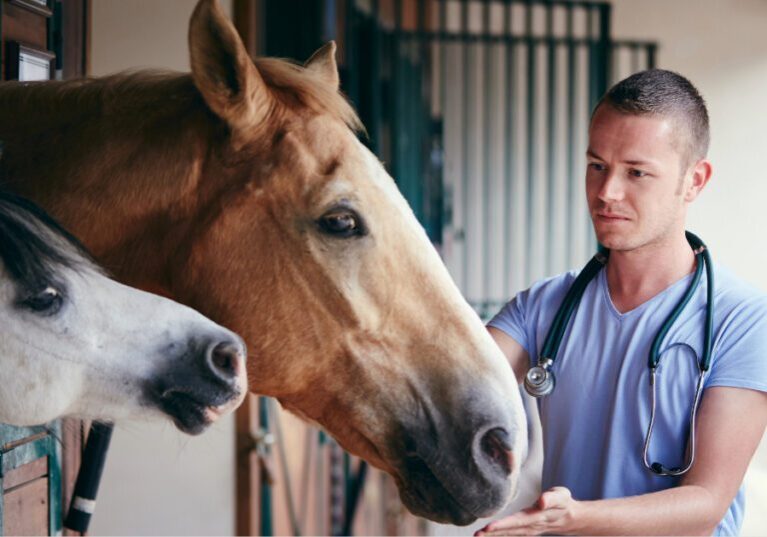
If your horse seems “off," gaining weight easily, losing topline muscle, acting sluggish, developing hoof sensitivity, or battling recurring infections, you’re probably not imagining things. Equine metabolic disorders such as PPID (Cushing’s disease), insulin resistance...
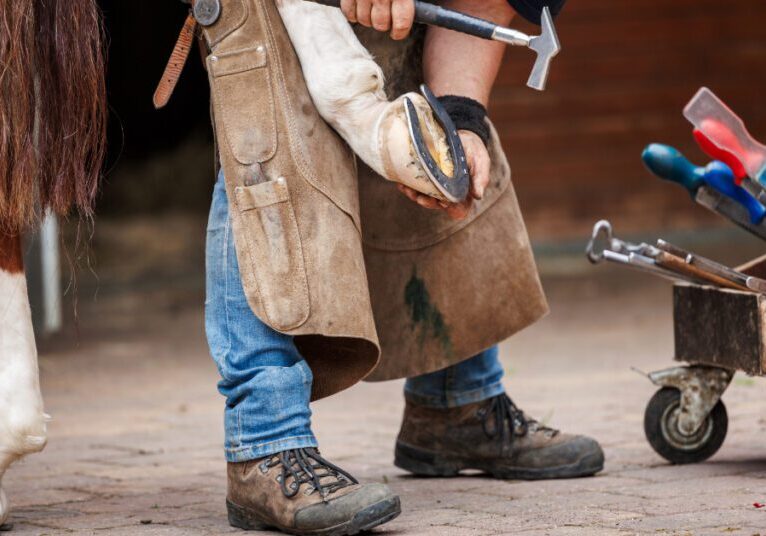
No Hoof, No Horse: What Great Farriers Protect First (and Why It Matters More Than You Think)
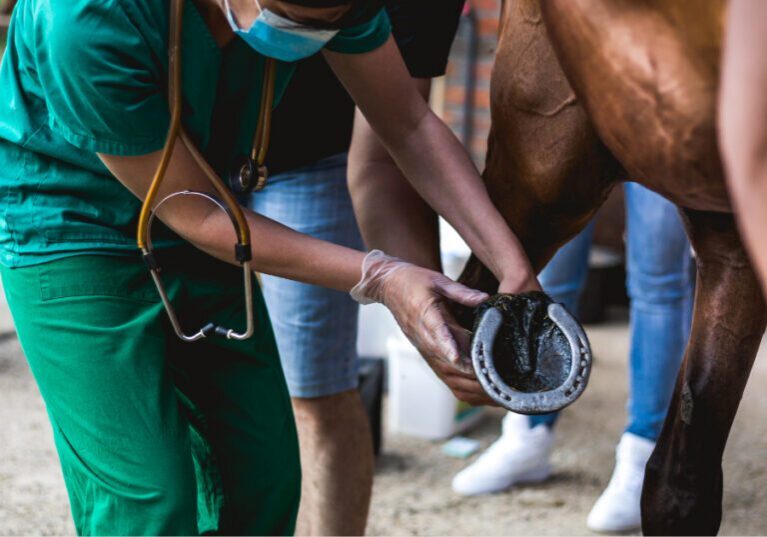
Horse owners hear the phrase “no hoof, no horse” all the time, but most people don’t understand what that really means in the day-to-day decisions that keep an athlete sound. In Episode 20 of The...
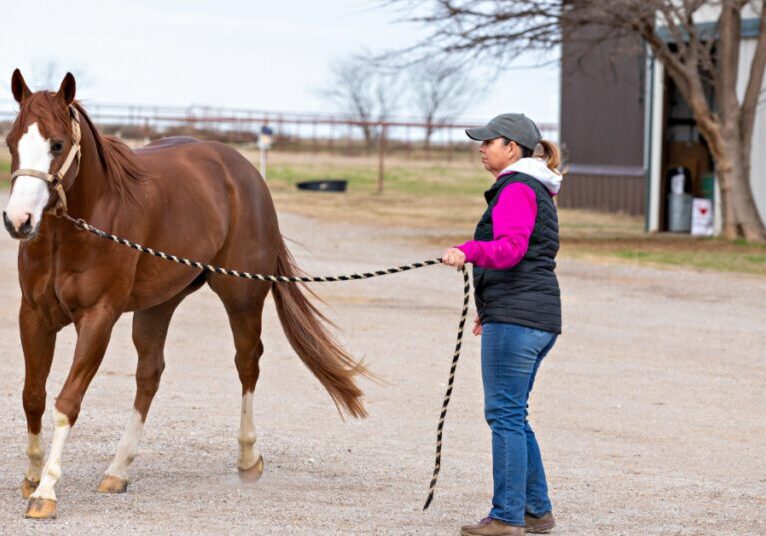
Foot Mapping Explained: Why the Frog Comes First and Balance Comes From Landmarks
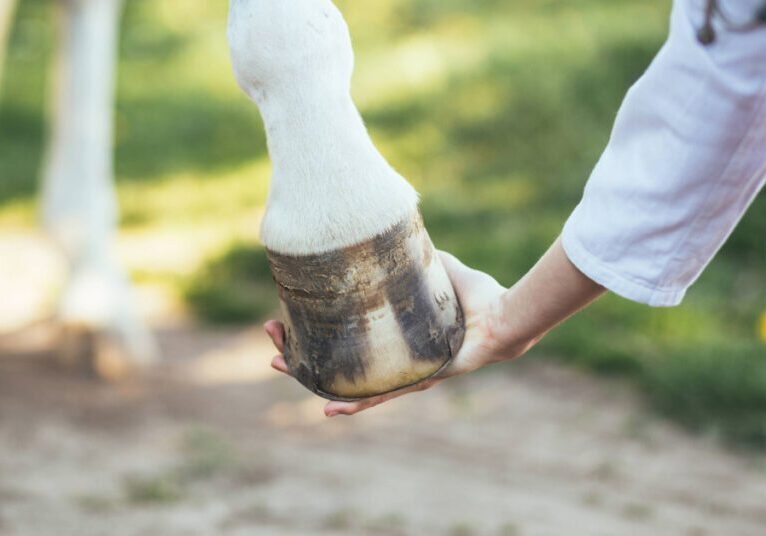
Foot mapping is the process of using consistent anatomical landmarks — not guesswork — to balance a hoof under the limb and protect long-term soundness. When done correctly, it removes subjectivity from trimming and creates...
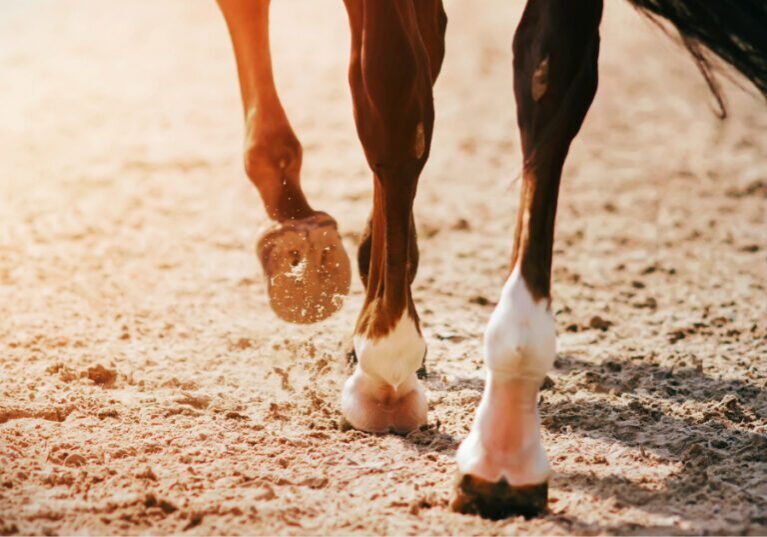
Why Hind Feet, Traction, and Purchase Matter More Than Most Owners Realize
Because the hind end is the engine and when a horse can’t grab the ground behind, the front end pays the price. Many front-end soreness issues don’t start in the front feet at all. They...