
Foot Mapping Explained: Why the Frog Comes First and Balance Comes From Landmarks
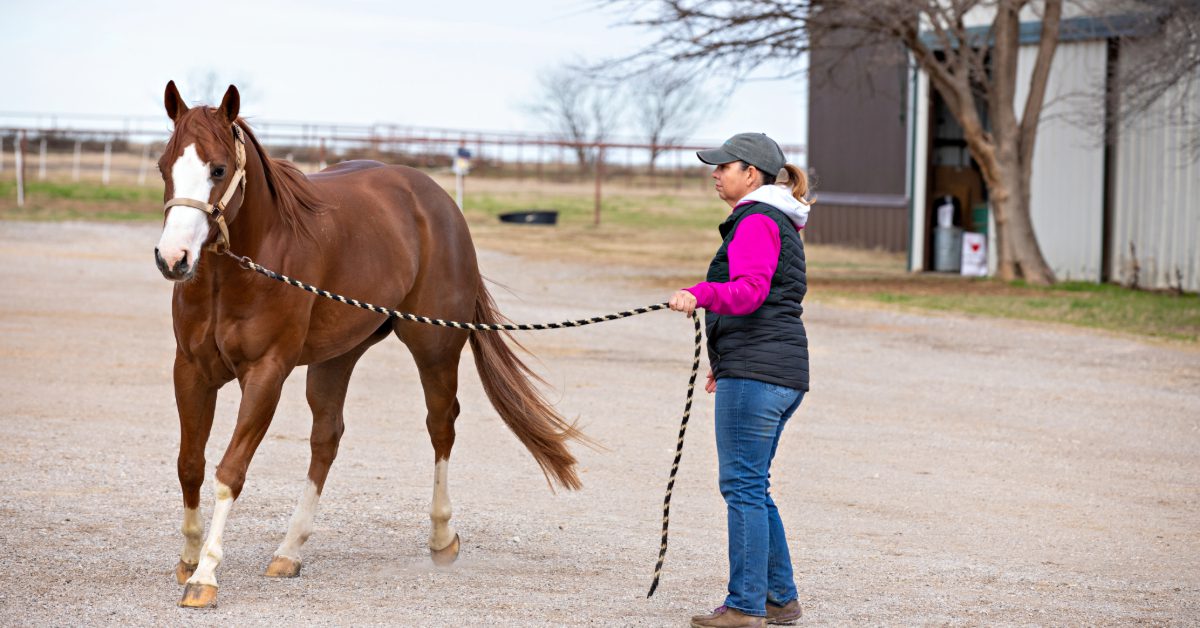
Foot mapping is the process of using consistent anatomical landmarks — not guesswork — to balance a hoof under the limb and protect long-term soundness.
When done correctly, it removes subjectivity from trimming and creates predictable, repeatable results.
In Episode 20 of The Equine Vet Connect Podcast, Dr. Dan Carter and farrier Kyle Schmidt break down why mapping the foot starts with the frog and why balance can’t be judged by looks alone.
Why the Frog Is the First Structure That Matters
Kyle is clear that trim order matters, and the frog is where everything begins.
“The frog is the only structure on my foot that doesn’t move.” — Kyle Schmidt
Unlike the hoof wall, sole, or heels, the frog is a stable reference point. That makes it invaluable for determining where the foot should be balanced.
Trimming the frog correctly gives the farrier:
- A consistent landmark
- A reference for proportions
- A starting point for mapping
Without that reference, everything else becomes a guess.
Mapping the Foot Removes the Guesswork
Once the frog is prepared, farriers can begin mapping — identifying where the foot is centered and how it should be shaped to support the limb.
Kyle describes this process as building understanding before removing material.
“That’s not necessarily where it needs to be trimmed, but you can get an idea of what’s going on with [the foot].” — Kyle Schmidt
Mapping shows:
- Distortions in the hoof capsule
- Imbalances front-to-back or side-to-side
- Whether the foot is truly under the limb
It doesn’t dictate an aggressive trim, it informs smarter decisions.
Balance Is Not an Extreme
Dr. Carter emphasizes a principle that applies across farriery and veterinary medicine.
“Balance is a happy median.” — Dr. Dan Carter
True balance isn’t:
- As short as possible
- As long as possible
- Perfectly symmetrical at all costs
Instead, it’s a functional midpoint that allows:
- Even loading
- Healthy circulation
- Predictable growth
Extremes create compensation, and compensation leads to injury.
Why Ugly Feet Are a Red Flag
One of Dr. Carter’s biggest realizations came from comparing hooves to the structures they protect.
“Coffin bones are pretty symmetric and they’re not ugly.” — Dr. Dan Carter
That insight reframed how he viewed distorted feet. If the internal structures are naturally balanced, then severe external distortion is a sign something is wrong — not something to accept.
Proper mapping helps the hoof capsule:
- Mirror the coffin bone
- Distribute forces evenly
- Reduce uneven pressure on the coronary band
That’s where healthier growth starts.
What Happens When Mapping Is Done Right
When a foot is properly mapped and balanced:
- Growth becomes faster and more consistent
- Distortions begin to self-correct
- Horses stay sounder for longer periods
This isn’t cosmetic improvement, it’s functional.
Over time, farriers see:
- Better nail placement
- Better quality hoof wall
- More options for correction or support
Why Owners Should Care About Mapping
Owners often judge trims by how neat a foot looks. Mapping shifts the focus to how well the foot works.
A mapped foot:
- Supports the limb above it
- Reduces strain on joints and soft tissue
- Improves movement quality
- Lowers injury risk
That’s why mapping isn’t just a farrier skill, it’s a soundness strategy.
The Takeaway: Balance Comes From Structure, Not Opinion
Foot mapping replaces opinion with anatomy.
By starting with the frog, identifying landmarks, and aiming for functional balance, farriers give horses the best chance to:
- Grow healthy feet
- Stay comfortable
- Perform consistently
Balance isn’t guessed. It’s mapped.
FAQs
What is foot mapping in horses?
Foot mapping uses anatomical landmarks like the frog and bars to determine proper balance and shape of the hoof.
Why is the frog important in trimming?
The frog is a stable structure that doesn’t move, making it a reliable reference point for balance.
Is balance about making the foot perfectly even?
No. Balance is a functional midpoint, not an extreme or cosmetic symmetry.
Can foot mapping improve hoof growth?
Yes. Proper mapping improves circulation and loading, which supports healthier hoof growth.
Published by: Dr. Dan Carter
Recent Posts
About Us
For over 30 years, Countryside Equine Hospital has been a trusted partner for horse owners across Covington, GA. Founded by Dr. Carter, our practice began as a small operation in a garage and has grown into a state-of-the-art equine and small animal veterinary facility. Today, we combine our legacy of Southern hospitality with advanced equine medicine, offering services tailored to meet the unique needs of every horse, from top-performing athletes to beloved pasture companions.