Insulin Resistance in Horses: Why High Insulin Leads to Laminitis
Insulin resistance in horses is one of the most common — and most dangerous — metabolic conditions veterinarians see today. When insulin levels stay too high for too long, the risk of laminitis increases dramatically. The challenge is that insulin resistance often develops quietly, with few obvious signs until a crisis occurs. Understanding what insulin resistance really is — and catching it early — can prevent devastating hoof damage and protect a horse’s long-term soundness.
At Countryside Equine Hospital, insulin resistance is one of the conditions veterinarians work hardest to identify before laminitis ever appears.
What Is Insulin Resistance in Horses?
Insulin resistance occurs when a horse’s cells no longer respond properly to insulin, the hormone responsible for moving glucose from the bloodstream into tissues for energy.
In a healthy horse:
- Glucose rises after eating
- Insulin is released
- Cells respond appropriately
- Blood sugar returns to normal
In an insulin-resistant horse:
- Glucose stays elevated
- The body produces more insulin
- Cells stop responding efficiently
- Insulin levels remain dangerously high
This chronic elevation — not just glucose — is what places the horse at high risk for laminitis.
Why High Insulin Causes Laminitis
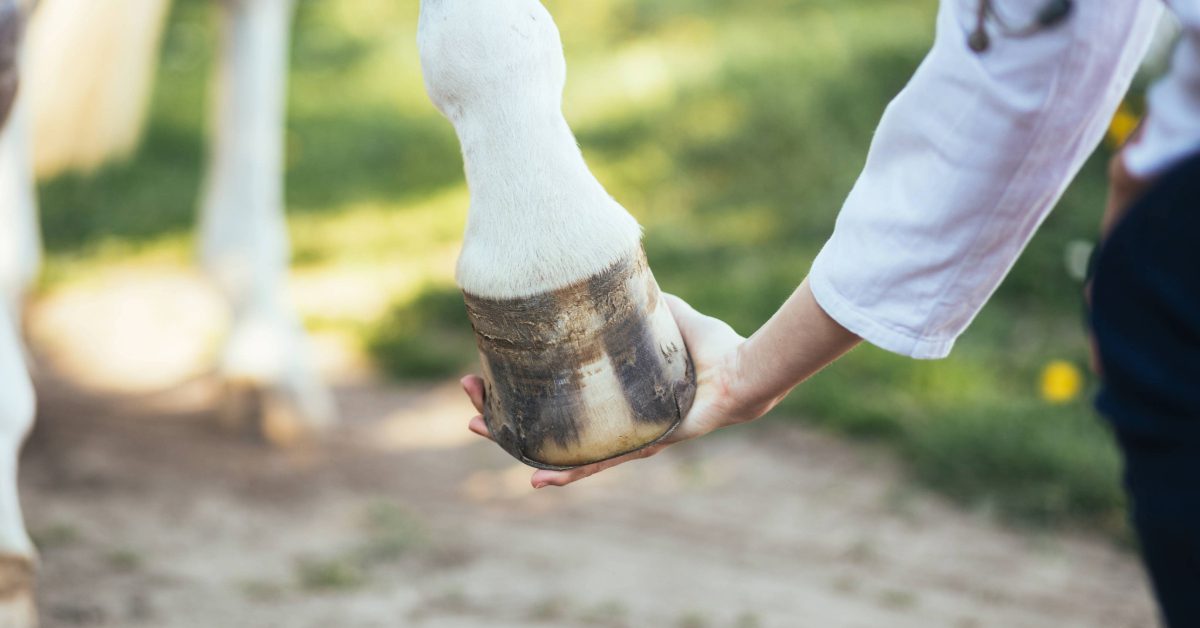
Insulin has direct effects on blood flow and tissue integrity within the hoof. When insulin remains elevated, it disrupts the delicate structures that suspend the coffin bone inside the hoof capsule.
The result:
- Weakened laminar attachments
- Reduced blood flow
- Inflammation within the hoof
- Structural failure over time
This is why insulin resistance is one of the strongest predictors of laminitis, even in horses that have never had hoof problems before.
“I can’t tell you how many times we find some form of metabolic disease behind a laminitis case. If we could catch the insulin resistance earlier, we could prevent so much of the damage we end up seeing.”
— Dr. Dan Carter, Countryside Equine Hospital
What Insulin Resistance Looks Like (and Why It’s Misleading)
One of the biggest misconceptions about insulin resistance is that it only affects overweight horses.
In reality, IR can look very different from horse to horse.
Some horses with IR are:
- Overweight with obvious fat deposits
- Easy keepers that gain weight easily
- “Cresty-necked” or thick through the tailhead
Others may:
- Appear thin or ribby
- Store fat internally rather than externally
- Show few outward signs until laminitis develops
Certain breeds also have a genetic predisposition, including many gaited breeds and ponies, which can store fat internally rather than visibly.
Early Warning Signs of Insulin Resistance
Because insulin resistance doesn’t always show obvious physical changes, early clues are often subtle.
Watch for:
- Difficulty maintaining a healthy weight
- Fat pads behind the shoulders, tailhead, or crest
- Sudden hoof sensitivity
- Recurrent foot soreness without clear cause
- Abnormal response to steroids
At Countryside, insulin testing is often recommended before administering steroid medications, as steroids can dramatically increase insulin levels and trigger laminitis in at-risk horses.
Stall-Side Testing: Why Speed Matters
Traditional insulin testing often required sending samples to outside laboratories, with results taking days to return.
Today, stall-side insulin testing allows veterinarians to:
- Measure insulin levels in 15 minutes
- Make immediate decisions
- Avoid dangerous treatments when insulin is high
This is especially important when:
- A horse is about to receive joint injections
- Laminitis is suspected
- Rapid intervention could prevent a crisis
Knowing insulin levels now — not days later — can make all the difference.
Medication vs Lifestyle: Why Both Matter
When insulin levels are dangerously high, medication is often necessary to reduce immediate risk.
Common medical options may include:
- Metformin
- Newer glucose-regulating medications
However, medication alone is not a long-term solution.
Without addressing diet and exercise, horses can:
- Become resistant to medication
- Require increasing doses
- Remain at risk for laminitis
Lifestyle management is essential for lasting improvement.
The Role of Diet in Managing Insulin Resistance
Dietary management focuses on reducing simple sugars and starches while maintaining proper nutrition.
Key principles include:
- Forage-based diets
- Low-NSC feeds
- Ration balancers instead of traditional grain
- Avoiding high-sugar hays and grasses
Hay testing — rather than guessing — allows owners and veterinarians to make informed feeding decisions. When necessary, soaking hay can further reduce sugar content.
Why Exercise Is One of the Most Powerful Tools
Exercise is one of the fastest ways to reduce insulin levels.
Physiologically:
- Initial activity burns blood glucose
- Continued exercise burns stored glycogen
- Longer sessions mobilize fat stores
This is why veterinarians often recommend:
- At least 30 minutes of exercise
- Four or more days per week
- Long trotting or brisk walking
Early detection matters — once laminitis develops, exercise may no longer be safe.
When Insulin Resistance Overlaps With Other Conditions
Insulin resistance frequently overlaps with:
- Equine Metabolic Syndrome (EMS)
- Cushing’s disease (PPID)
If a horse tests positive for one metabolic condition, comprehensive testing for the others is often recommended. These conditions tend to “travel together,” and treating only one can leave another unaddressed.
When Should a Horse Be Tested for Insulin Resistance?
Testing should be considered when:
- A horse gains weight easily
- Fat deposits appear
- Steroids are being considered
- Hoof changes occur without explanation
- A horse is over 10–12 years old
- Laminitis has occurred previously
Metabolic diseases can occur anytime throughout the year. Spring is an especially important time to test due to seasonal changes in metabolism and an increase in pasture sugars.
Prevention Is Always Easier Than Repair
Laminitis caused by insulin resistance can be life-altering. Despite careful management, affected horses may still experience laminitic flares.
Early testing allows veterinarians to:
- Adjust management before severe damage occurs
- Avoid risky medications
- Implement diet and exercise plans early
- Protect hoof integrity long-term
At Countryside, we focus on accurate diagnosis and preventive care— addressing issues before they progress, not after.
Commonly Asked Questions
What is insulin resistance in horses?
Insulin resistance occurs when a horse’s cells no longer respond properly to insulin, causing insulin levels to remain elevated and increasing the risk of laminitis.
Why does high insulin cause laminitis?
Chronically high insulin disrupts blood flow and tissue integrity in the hoof, weakening the laminae and increasing the risk of structural failure.
Can thin horses have insulin resistance?
Yes. Some horses store fat internally and may appear thin while still having dangerously high insulin levels.
How is insulin resistance diagnosed?
Insulin resistance is diagnosed through blood testing, including stall-side insulin tests that provide rapid results.
Can insulin resistance be reversed?
In many cases, insulin levels can be significantly improved through diet changes, exercise, and targeted medical management.
If you found this article helpful and want to experience compassionate, diagnostically-driven equine care, Countryside Equine Hospital is the place for you. Locally owned and privately operated, we’ve been proudly serving our local community since 1991. With integrity at the heart of our care, we deliver progressive medicine and exceptional service
Do you have an equine medical question or concern? We’re here for your horse day and night, offering 24/7/365 emergency care when it matters most. Give us a call at (770) 787‑4711 or visit us at 3395 Maughon Road, Covington, GA 30014. You can also learn more and request an appointment on our website at countrysideeq.com.
Published By
Dr. Rachel Akin
Recent Posts
About Us
For over 30 years, Countryside Equine Hospital has been a trusted partner for horse owners across Covington, GA. Founded by Dr. Carter, our practice began as a small operation in a garage and has grown into a state-of-the-art equine and small animal veterinary facility. Today, we combine our legacy of Southern hospitality with advanced equine medicine, offering services tailored to meet the unique needs of every horse, from top-performing athletes to beloved pasture companions.