

Ep. 59 – Western Saddle Fit Explained Podcast
In this episode
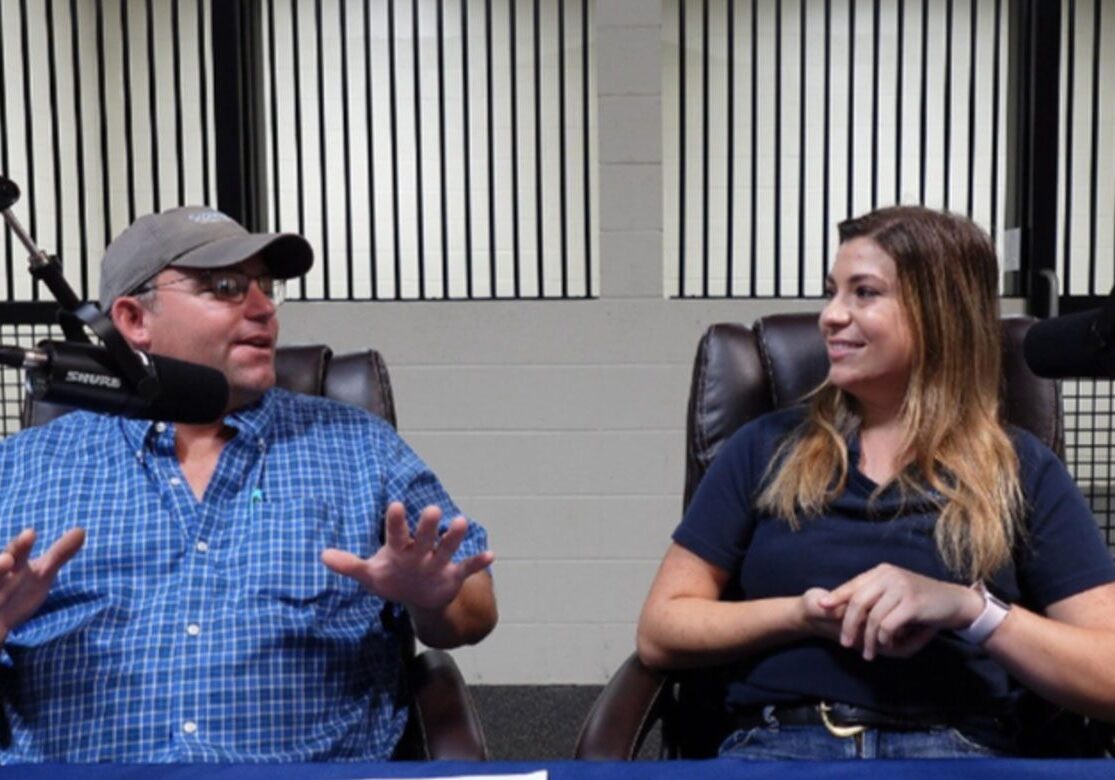
Dr. Dan Carter of Countryside Equine Hospital is joined by Ashley Kowalsky of Kowalsky Saddle Shop to discuss one of the most overlooked topics in the Western world—saddle fit.
Together they explore saddle tree anatomy, bar angles, rigging placement, padding choices, and how proper fit affects your horse’s back health, stride, and behavior. You’ll also learn how to evaluate fit for different body types—barrel horses, reiners, rope horses, trail mounts, and more.
This in-depth episode helps riders understand how saddle design, quality materials, and correct fit can make all the difference in comfort, connection, and long-term soundness.
Perfect for anyone serious about Western riding, horse health, and saddle craftsmanship.
Episode Transcript
Welcome back to the Equine Vet Connect podcast here at the Countryside Equine Hospital in Dan Carter.
0:49
I’ve got Ashley Kowalsky with me today from Kowalsky Saddle Shop over in Homer, GA, so right outside of Athens.
You know, this is, it’s kind of cool ’cause I had a customer of mine, Alexa, she asked me, she’s like, Dan, I wish you’d relate more stuff to Western.
1:06
And I was like, well, you just hold tight.
I got a whole podcast just for you, Alexa.
That’s.
Right.
So we’ve got an interesting topic today.
I feel like in the Western world this often gets forgotten. In the English world saddle fit is really important and a lot of time is spent fitting saddles.
1:26
But I feel like in the western world a lot of people don’t think about saddle fit.
That’s right.
And as someone like that, that’s my background.
I came out of the cowboy world.
I worked on ranches from.
I always say I’ve seen the Canadian border, the Mexican border, about everything in between on a horse’s back and it’s important.
1:47
Definitely.
It’s just as important in the Western world as it is in the English world.
Well, and it’s really important for a cowboy, yes, for their saddle to fit because they spend more hours on a horse than anybody.
Oh.
I mean, we used to saddle horses up at, you know, 4:30 in the morning and we may not step off that horse except to eat lunch.
2:06
That’s right till five, 6:00 that night.
Yeah.
And, you know, I think a ranch saddle is probably the most important saddle to fit a horse because of that reason, you know, and if it don’t fit, you’re going to know, you will know.
You will know because you’re going to have Gauls and rub spots and you know an uncomfortable horse for sure.
2:24
And that’s, and that’s why I’m kind of excited today because I think we often forget, I mean, the saddle is, is kind of what connects us to our horse.
That’s right.
And there’s a lot of differences and I see a lot of different saddles come in.
I see a lot of different saddles on the market.
2:40
And where I’d like to go today is let’s talk about what, what all is involved in a Western saddle and what makes them unique, what makes them different and, and just let’s go through, you know, making sure you’ve got the right fit because I just, I don’t feel like it’s ever discussed.
2:56
That’s right.
No, I agree.
So let’s talk, let’s always start.
And you know, I remember when I was in vet school, we talked about anatomy first because if you don’t know what it is and where it lives, then you, you can’t, you can’t move forward.
So let’s talk a little bit about, let’s call it the anatomy of the saddle and, and what we start with when you start building one.
3:14
Yeah.
So this is the tree of the saddle, which is the structure, you know, the what is the foundation of what we build on.
And so these are Ponderosa pond and rawhide covered.
You know, there, of course, there’s a ton of trees out there, you know, from you can have them to where they’re wood, but then they’ll be fiberglass or they have some that are Kevlar coated.
3:38
They have composite trees, which are like plastic.
And I mean, but I just think, and, and we have used some of the Kevlar coated trees and I have nothing against them.
They hold up really well and they’re very durable.
They say they’re stronger.
I don’t know if they’re stronger or not.
3:55
The rawhide covered trees, I feel like they’re just time tested and that and they have just been around forever.
And, you know, I think saddle making is, I don’t, I don’t know exact years of how long, you know, saddle makers have been building it, but it’s still a very old tradition.
4:11
We still build them the same way that we built them a long time ago, you know, even all the way down to your, you know, cheapest saddle that you can buy still put together by hand, you know, so, so it’s a, you know, it’s a, it’s a handcraft that’s been there.
4:27
And I should have started here, but how did you get into building saddles?
Well, I first started, I started working for Caldwell Saddle Company and I at that time I had, I’ve always rode horses and trained horses and we’ve raised horses my whole life.
4:42
And my husband and I, that’s still what we do today.
And, but I kind of got my start there.
I started working for them in 2010 and it was kind of just, I just needed a job, you know, when I was like, well, I ride horses, building saddles just fits right in my life, you know, So I started working for her and Tom and, and then they just kind of led into something that turned into my passion and, and that’s just kind of where it’s went from there, you know?
5:08
That’s pretty cool.
It’s amazing how I think more careers find us and we find careers.
Yeah, because I had no idea.
Like I was, I just wanted to, I wanted to be a trainer.
Like I, you know, I mean, I wanted to be, I wanted to go start Colts.
And, you know, that’s what I, that’s what I like to do.
5:23
And then I started building saddles and I was like, well, you know, what kind of fits in my life, you know?
So it just all worked out, you know, and that’s, that’s kind of how it all got started.
So yeah.
That’s really cool and.
Yeah, but so, so these trees, so this is a roping tree and then that’s a barrel tree.
There’s, you know, there’s so much that goes into it and they’re, so I think the biggest problem with Western Saddle fit is someone has a problem and they Google it.
5:51
Oh, let’s just say I don’t think that’s Western Saddlefit.
I think that’s.
Life, life.
You know, you know, you Google it.
So then when you Google it, you get 50,000 answers and then and then you’re you leave more confused than when you started.
Oh, I’m telling you.
And then the Internet will let, it’s kind of like paper, right?
6:08
It’ll let you write whatever you want on there.
Right, right.
It doesn’t matter.
So it’s a, it’s, it’s a, it’s a tricky thing.
I think the biggest thing with them is as far as there’s, there’s several topics I want to talk about ’cause I think that people get so caught up in dry spots, right?
6:27
Dry spots is huge.
People freak out over dry spots.
So just for our listeners, just describe what when you say dry spot, what are?
You so like when you ride your horse and you get, you get off of them and they’re sweating and they have a, a patch on their back normally behind their shoulder where they have atrophy, you know, and that’s, that’s where people they get a little, they get a little wild about it, you know, they freak out.
6:51
So just as a good rule of thumb, a big dry spot does not cause pain.
A little dry spot causes pain.
OK, that makes.
Sense.
So the little dry spot is hard pressure, the big dry spot is no contact.
OK, So to make those big dry spots go away, you have to do it with padding because they’re obviously either the horse is growing, the horse is maybe not up to par as far as weight, maybe the horse is being rehabbed or maybe the horse has age on it and has a dropped back or something.
7:25
You know, there’s so many things, each horse is individual.
And then that’s something we talked about in our, our last saddle fit episode we talked about as well that you brought up is a horse is growing horses, developing horses had atrophy and now we’re getting it’s top line back and things have to change with, with English saddles.
7:44
They can change flocking and stuff but we use a lot more pads.
We use padding in, in the Western world and there’s so many, you know, oh wow, this pad, it fixes everything.
And, and you know, and, and that’s not true.
There’s two types of horses that’s the hardest to fit.
8:00
Obviously a growing horse, you know, you have to adjust because they’re growing, you know, starting from a 2 year old to a 7 year old, there’s going to be some changes in there, you know that you’re going to have to adjust.
But as far as padding, the worst ones or the extreme backed horses, the ones that have extremely long Withers.
8:21
I had a barrel horse that taught me a lot about this and he was a son of Dashed to Fame.
And I remember I was still working for Sharon at that time, and Tom and I kept telling her I had bought a saddle for him and had bought another saddle for him.
And I went and I told her I was like, I’m changing these pads and I’m doing what you’re saying, but it’s not working.
8:40
She’s like, bring him here and let me look at him, you know?
And she had 30 years of experience, you know, with fitting and doing and building and everything.
And I took him down there and she’s like, wow, I’ve never seen a horse.
And so she’s like, go get me the tape measure.
So I went and got the tape measure and we pulled it out and his width from his shoulder to the end of his wither was 14 inches.
9:03
That’s long.
That’s long, that’s huge, you know, and so he taught me so much about saddle fit.
He was very a framed but had an extremely long wither.
So when you put I would have to pad him to try to help him, but then when you put too much pad on him, it hit the ground seat and it pulled your saddle back and you can like there’s so many people that say that about saddle fit.
9:26
Well, my saddle slides back well, most of the time on those horses the saddle slides back on, they have a very extreme back.
You know they have a long wither or they have an extreme drop.
They’ll have an 8 inch difference between the top of their wither and the bottom, like where their back drops.
9:42
So with him, what we did was is we actually took a pad and I put it on his back and we cut it out around his wither and then I put a thin pad on top of it and my saddle never moved again.
You know, but that’s what people don’t realize like her.
9:58
That’s one thing Sharon did teach me about the extreme back horses.
You have to fill in what’s low and expose what’s high.
That makes sense.
So like with the barrel saddles, you know, they have a, a high swell on them versus like the roping saddle is lower.
The, you know, the, because it needs to be lower for more, you know, contact the pull so that way it doesn’t snap the horse.
10:21
And then on the barrel saddles, you know, they’re, they’re higher and so they have a higher swell here.
So you can fill in that low spot, put another pad on top of it and it’s still way, way off of the wither, right?
10:37
So.
But and you know, and it’s two different jobs, you know, when you’re looking ropers versus barrel horses and you when you get into cutters, pleasure horses.
You know all this matters what the horse does because if you don’t want to use a rope saddle for a barrel horse or a barrel saddle for a rope, especially going the other way, one that the horns not going to hold up.
10:58
Yeah, no, it’s not.
Well, the it’s still attached the same because they’re both metal.
As you can see, that’s a metal horn.
This is a metal horn, just covered in rawhide.
The only difference is that with that swell being so much higher, and there are, the horns are actually attached the same way, but it’s when the force of the swell being thinner, you see how much thicker this roper, thinner and taller.
11:23
So when you pull it, it has more chances to break.
The horns actually don’t break, it’s actually the swells.
I guess that’s where I was going.
Yeah, the.
Swells, not the horns.
Yeah, the actual swells is what snaps on there, you know for sure.
So when you’re, when you’re looking at them, because we’re, we’re talking about the trees 1st and I love the rawhide tree.
11:41
And I think what always amazes me when we get into things, and I’ve seen a lot of trends over the years, is it seems like we always go back to old school.
And I think back to the basics is what we need to do.
I think we have gotten so big into just selling something, you know, oh, this is the new thing, you know, this is the new tree, this is the new saddle pad, this is the new girth, the new bridle, whatever.
12:07
You know, the new bit and barrel racing.
It’s all about the bit.
You know, everybody.
I mean, I ran barrels myself, so, you know, we got to have a lot of vents, but you know, going back to the basics, you know, I think and what we’ve tried to do and, and I’m not opposed to helping anybody with any brand of saddle.
12:24
They don’t have to be mine.
And I’ll tell people that I’m like, just bring your horse and let me look at it and maybe I can help you, you know, get by until you can find something different or whatever.
But you know, not too narrow, not too wide, you know, and, and the bar angle is huge and it’s so technical like it’s, there’s a lot to it.
12:46
You know, everybody throws out the word.
It used to be all about the gullet size, right?
Everything.
Well, I have to have a 7, I have to have an 8, I have to have a 6 1/2.
I have to have whatever.
But you can take one and I actually have a little bit right here.
13:02
So you can actually take one gullet and.
If y’all are watching or listening, if you get a chance jump on YouTube so you can see some of this.
Yeah, this is.
See the pictures.
Yeah.
So these pictures right here.
13:18
So this is the difference.
You know, everybody talks about the full Quarter horse bar, the semi Quarter horse bar or the regular, you know everybody talks about those.
And I think the biggest thing is what people need to understand.
It’s not the gullet size that makes that much of a difference.
13:38
And that was when I first called the tree maker.
And I wanted like this big, massive tree.
And they were like, do you?
And I said, well, yeah, that’s what I’ve been, you know, this is what I’ve been taught.
Yes, we want this extra wide da, da, da, da, you know, and they’re like, and this sweet man, he’s not with precision anymore.
14:00
I these are Bowden saddle trees.
But when I first got started, I used precision.
And this sweet man named Tom Stevenson, he took a lot of time with me and he explained it to me and he was like, you know, I fit horses all over Texas.
And he said, I go and I fit them.
14:16
And he says those don’t fit them.
And I was like, OK, well, what fits them?
And so then, you know, he broke it down and he explained to me how you can take.
And this one right here is the one that’s really important, how you can take because right now everybody’s big on degrees, OK, in the Western world, it’s I got to have a 40° bar and a 42.
14:39
And, you know, it’s, it’s just another one of those things to complicate things to make you really don’t understand it.
But these pictures right here really show you.
So this is considered a narrow, so a 6 1/2 inch gullet.
But look at a 42°, a 40 and a 38.
14:55
Look at the difference and how.
That’s a big difference.
Now that’s the same size gullet, right?
Gullet is not changed, only the degree of the bar is changed.
When the bars would actually contacts the horse.
Not the gullet, you know, and I think when you get too wide, so like you get down here to a 7 and you know, you have the 42.
15:14
And so I asked my tree maker, I called him and I said, listen, I said, you know, everybody wants to know what degree is your, is your saddle?
It’s like, what’s your trees, your barrel trees?
And I was like, what’s the correct answer?
You know, I want to be, I want to give an educated answer here, you know, what’s the correct degree of our, of our trees?
15:31
And he said, well, he just kind of laughed.
He said, oh goodness, you know, it’s, you know, everybody’s on this bandwagon now.
And I said, I know, I said, but give me an educated answer.
That’s what I need.
And he said, well, all of them started a 45 and I can go anywhere
15:47
You want me to go with them.
And I was like, OK, you know, that’s, that’s what I needed to know.
So I think with ours, we when Derek and I first started, we decided, you know what?
We ride a lot of horses.
We ride every, we’ve imported Friesians.
We just sent a Swedish warmblood home that we started.
16:05
We ride everything.
We ride everything.
We ride mules, OK?
We ride everything from mules to Friesians to gypsies to drafts to you name it.
We ride every breed and everybody asked Amy showed up one day and she goes, girl, what won’t you ride?
And I said anything that pays we’ll ride it, you know, so, you know, I mean, you just have to, you just have to ride it so.
16:29
You know, this, this sounds a lot like when I, when I was shoeing and you know, the first thing you buy as a farrier is you think you need to buy a hoof gauge.
You know, that’s what you go buy as a hoof gauge.
And I, I owned one.
I honestly don’t know where it is because when I started learning, because you know, everybody talk about, oh, the horse needs to be at this angle, this angle, this angle was when I started learning.
16:50
It’s like, no, the horse needs to be at it’s.
It’s angle.
That’s right, not yours.
Not yours.
And I haven’t touched the hoof gauge in 20 years.
Yeah, because of that.
I know where mine is.
Well, well, you know, and what’s funny is when you first start doing something, you know, you want to, you want to, you want to gauge everything and you want to measure it.
17:09
And, I remember when I first started at Caldwell’s and I said, Hey, Sharon’s asked me to do something and she says, oh, that’s about 5/8 of an inch.
And I was like 5/8 of an inch.
So I went and got the ruler and I measured.
I was like dog gone, you know, So the, and you know, now I’ll look at it and I’ll be like, no, that’s about a three quarters, you know.
17:28
But you know, once you do it so long, you train your eye to look for things and to look for, you know, and so like going back to like saddle fit on horses.
You know, when I first look at a horse, I walk around them, I look at that horse’s confirmation, I look if they have one shoulder bigger than the other shoulder, which is extremely common and people don’t think it is.
17:51
But I’m like, well, I mean, you know, we’re not normal.
I mean like our feet, 1 foot’s bigger than the other or one hand or whatever, you know, So it’s just their dominant side, you know, or an injury.
You don’t know, like I had this one person that brought their horse and when they unloaded it, I was like, have you ever noticed the scars on it?
18:08
They had never even noticed the scars.
I mean, this horse had scars around its belly.
I don’t know what kind of wreck it got into, but I mean the scars were just brutal.
And I was like, you’re always going to have to be careful with the way you cinch this horse because I mean, he’s got scars there, you know, So it’s there’s, there’s so I think each horses that, as you know from all your years of being a vet, each horse is different.
18:35
You know, I think if you do an average, you know, with find something that’s a middle of the road, Don’t go too wide, don’t go too narrow.
Try to buy a good quality.
I understand that, you know, they’re expensive.
18:51
I get it.
You know, they’re, they’re expensive.
But if you always find something that’s used that’s older, you’re better off than to buy new that’s cheaper.
You know, one of the things that I’ve seen over the years with saddle fit and stuff is, you know, if you think about it, by the time you come in and I’m and I’m, I’m probably the only veterinarian, that’s like trying to kill my own business here.
19:11
But by the time you come see me three times for back issues or for shoulder issues or for soreness, especially sore backs, I think sore backs, saddle fits a big culprit of that.
By the time you come see me a few times for that, you realize the money you could have spent.
19:27
And just bought a good saddle.
and bought a good.
Saddle, especially when you get into you’ve caused kissing spine and all kinds of stuff like that, you know, but I, I do think, and I mean, I don’t know, I’ll ask your opinion about this.
So when the, the tree, you know, the whole reason that the western tree was designed was to distribute the rider’s weight out evenly across the horse’s back instead of being in one spot riding them bareback.
19:53
You know, I believe that that bar, you know, it needs, they need to have the spine relief and the bar needs to follow the horse along that loin.
But I think the problem with these really wide trees is they get to where they’re sitting out almost on the top of their ribs instead of sitting on the loins.
20:15
I agree with that.
I’ll agree 100% with that.
Because one of the things I always think about when I’m looking at how that saddle sits on the back, you want that even distribution, but it needs to be even distribution in the right spot.
And I love to look at them without a pad on because you know, with some of these pads you throw them on and like, oh, it’s got good contact.
20:36
Well except that
The pads really compressed in one spot and barely compressed in the other.
Yeah, that’s right.
Well, that’s not good contact.
That’s not.
That that’s uneven contact and if you watch enough of these horses, I mean I can go through and you start pressing on their back and because most time when you palpate a horse’s back and they’re sore, it’s not the spine that hurts, it’s those epaxial muscles and you’ll hit that spot and sure enough when you
21:01
Saddle up.
You’ve got more pressure in that area than in the others.
Yeah, that’s where you get the bridging, You know, I mean, they need a lot of really flat trees.
You know, they’ll bridge on them more, you know, I think all of them need to have a little rock to the bar, you know, where they come in like an hourglass.
21:23
I mean, because as Derek was telling you earlier, you know, we reached out to a master saddle maker who bakes custom trees and, and, you know, we were, we were wanting more knowledge because we’re like, there’s more, you know, we know there’s more.
You can always learn, no matter how long you’ve been doing it.
You can always, one horse is going to teach you so much, you know, and, and when you run into that problem, you have to go seek knowledge.
21:45
And so we, you know, we, we called him, his name’s Matt.
And we’re like, hey, you know, we’re, we’re having these problems.
And he started explaining it to us.
And, you know, he’s a Wyoming cowboy, you know, and he says, let me ask you a question.
I was like, OK, lay it on me.
And he goes, if you line up all these horses in a row and you walk down and you look at the horses and look at the shape of them, just the shape.
22:10
He’s like, look at them from an angle, you know, like a three quarter angle and look at them and look at all their shapes.
He’s like, what do you see?
And so I thought about it for a minute and I visualized horses tied up and walking down through them and looking at them.
All horses with the exception of a gypsy or a halflinger or something.
22:28
You know, that’s a fat little pony.
You know, they have an hourglass shape to them.
You know, they have their shoulders and then they come in and then they go back out to their barrel.
You know, they have that hourglass.
He says, you know, you need to build a saddle and in his words, so you don’t have to shoot the saddle when you shoot the horse.
22:47
And I was like, you know, true, you know, because I mean, and he’s right, you know, you want a saddle that’s going to fit a wide variety of horses.
And he said, you know, you need a little more of a rock to them because horses don’t have flat backs.
23:05
Even a flat backed horse is not technically he’s not, he’s not really flat.
He’s not.
And I tell people that about pads.
I’m like, hold up your pad and go stand and look at your horse and if, does it match your horse’s shape if it’s back?
23:21
And most of the time it, they’re straight.
And I was like, So what happens when you have a straight pad is you put it on there and then right here where their low spot is, it’s going to bunch up underneath there because there’s no way for that pad to go.
And especially when they’re new, you know, they’re so stiff.
And so, you know, I’m a big fan of contour pads.
23:42
I think contour pads are really important because I think they help a lot, you know?
I’d agree.
And one of the things that I think when we talk about Western saddles, we talk about the trees a lot, we talk about pads a lot, but one of the things that I think often gets forgotten is the rigging.
23:59
The rig and that was one of my one of the topics that I really wanted to talk about today was the rig and I have a.
Because where I noticed this is I have two completely different saddles.
I’ve got an old Ammerman classic rope saddle.
24:16
Rode it for years and then my favorite saddle in the whole world.
I had a custom made fork wade built.
Love it when you look at the rigging on those two saddles and where they sit and where the rigging is and how it’s set up to completely different rigs.
Totally.
24:31
I mean completely different.
Well, the biggest reason so I believe so here is like the different rig positions.
We have a full rig which is directly under the swell.
We have a 7/8, a 3/4, a 5/8 and a center fire.
24:49
I like to rig most of my barrel saddles are three quarters to a 7/8 to a 3/4.
I kind of do it depending on the tree and then but your roping saddles.
So there’s a reason why they have to be full rigged.
25:05
If a roping saddle is not full rigged, when it’ll do one or two things, either it’s going to slide back or it’s going to run up their neck.
And if it’s too rigged too far back, it’s going to run up the horse’s neck.
And if it’s not rigged properly, like you got it at, you know, like if you’ve got it a three quarter, but then the bar is not 100%, then you’ll get the sliding back.
25:27
But if they’re a roping saddle has to be full rigged because so that way it’s low profiled and on the horse’s back.
So when they take the hit of the steer, it’s not going to hurt them.
If it’s running up their neck onto their shoulders, you know, it’s not, it’s not, it’s not going to work either.
25:42
And I know there’s such controversy over the saddle needs to be behind the shoulder in Western, not in English.
English, they’re straight behind the shoulder, but they don’t have any skirt.
So I think that’s a big misconception with Western saddles.
25:59
Western saddles, you have so much skirt in front and a barrel saddle.
I like to rig them a little further back because you know you’re racing.
You need to be up on their shoulders racing, ready to go. Roping
There’s no way possible for it to be all the way up on their shoulders.
26:17
It’s not you.
The horses can’t handle it.
You know that.
It has to be back where it where it’s meant to be.
But even the barrel saddles that you know are rigged a little further back, they’re still not up all the way on their they’re not on their neck.
You know there is a spot on a horse’s back where a saddle goes, Yes.
26:34
It’s not on their butt and it’s not on their neck.
Well, and I’ve seen both those extremes.
I remember for a while they were like, oh, the Indians rode way back here on their butts.
On their butt.
Yeah.
So we didn’t have saddles back here.
I’m like, well, hold up.
And that’s uncomfortable.
Have you ever rode back
There?
Oh yeah, it’s horrible.
26:50
I’m like, this is not good, not at all.
And I was like, wow, why is that?
Like, that’s where the Indians rode.
Why does that have anything to do with us?
But I think what got that started was the dressage and the English world putting, you know, put their saddles behind the shoulders.
27:07
Well, the western saddle, the tree is still technically behind the shoulders, but the skirt is deceiving.
But they were taking the front of the western saddle and moving it back as far as the English saddle.
And that’s where it just, there’s a little mis-
There’s a little confusion there.
But in my opinion, I think there is a spot where the saddle sits on a horse’s back and, and there’s that sweet spot and that’s where it sits on them.
27:31
Now, there is an exception to the rule of, of all of this because as you know, if a horse gains weight, loses weight in shape, not in shape, you know, older, younger, I mean, there’s so much that goes into this.
But I mean, I, I think, you know, at the end of the day, you need to have a flared bar to where that horse’s shoulder will pass.
27:54
Now that’s something I agree 100% on because I have seen there for a while there was a trend to not have those flared bars that were really, really straight.
Really straight.
And these horses’ shoulders, they would not free up.
And they were getting stopped, you know.
I mean, you know, they can’t.
You want them to be able to stride out fully.
28:11
The saddle shouldn’t interfere.
It shouldn’t interfere.
It should.
It should help, it should help you and it should help the horse.
So I have a recent case of this.
So I had a lady call me and I’m real, real laid back about things like I’m not pushy.
I don’t, you know, if you want to buy a good saddle from me, that’s fine.
28:31
If you want me just to help you, that’s fine.
I just, I just try to stay, you know, neutral to it.
If you come and ask me for help, I’ll help you.
I’m not going to go out thinking I can change the world because, you know, I’m just not, I’m not, I’m not going to do that.
If you want, if you want me to help you, I’ll help you.
If you don’t, that’s I’m OK either way, you know, and I’ve learned that I’ve matured in the beginning, you know, I thought I had to help everybody.
28:53
And now I’m like, you know, I’m just just matured, you know, and you learn as you go and do things.
And but I had a lady, she called me and she’s like, hey, my horse bucks every time I take it through the pattern.
And I was like, well, she says, is there any way I can pay you to come out?
29:12
And I said, well, you know, if you bring it to me, I’ll do it.
No, I need you to come here.
So I said, all right, well, you’re going to pay me to come, you know, but I’ll come.
So she paid me to come out and we looked at her horse and I was like, wow, now this was the case.
The tree was not bridging all the weight of the tree.
29:28
The tree had too much contour, so it was hitting the horse right in the middle of the back.
All pressure was like right in the middle.
And that horse was sore and he was ill like he was, he was ill about it.
And I don’t blame him.
I would be too.
And I told her, I said, umm, I said, let’s take and you know, let’s look at it.
29:48
So we put the tree on him and then I took all the trees I had.
I had the one that I had that fits a Friesian.
I had the rope and saddle, I had the barrel saddle.
Any tree I had in the shop, I took it.
And I said, I want to show you the difference of what these trees look like on a horse.
And she’s like, OK, so we put the Friesian one on there.
30:05
And I mean, she had a little quarter horse, you know, I mean the free.
It was terrible.
And I said, do you see how bad this is?
And she was like, yeah, OK, So then I was like, then we pulled out the other one, and then we pulled out the other one.
And I said, now which one do you think looks good?
I showed her what to look for.
I said, you know, you won’t even contact from front to back, but you don’t want the back of the bar and the front of the bar touching.
30:27
You want that to be flared away from the horse.
I said, not extreme to where it’s sticking up or poking out or, you know, anything weird.
But when you put that bare tree on them, you don’t want it to be digging in with no weight, you know, ’cause I mean, you got to think you got to put your weight on top of that too.
30:45
And she was like, wow.
So I said, well, hey, I said and, and just happened.
I had made one and I said, let’s just put it on yours.
So we put it on and she goes out there and rides in it and and you know, she goes in and I’m real big on.
I like to put a nice pocket because I think a nice deep seat is good, especially for a barrel racer barrel racing myself.
31:05
You know, you need a deep seat in there to stick with some of these fire breathing Dragons that we ride.
And so, you know, has a nice deep seat in it.
I try to make sure that the fenders are a little more forward hung so you don’t get your feet behind you.
So she gets out there and she’s riding around and, and I mean, I don’t know what the horse does.
31:23
I’ve never seen the horse go.
He looked great to me, you know, And so I’m just watching her and, and then she turns and I was like, well, take him through the pattern.
She’s like, OK, so she turns around and she takes him to the pattern.
And I mean, she, this lady’s just livid, excited.
She’s like, you don’t understand.
I’ve never taken him through without him bucking.
31:40
I was like never?
And she’s like never.
And it was the first time the saddle was put on him.
So, I mean, and I’m not saying that it’s the miracle cure, you know, because I think we get a little too caught up in that, you know, but I do believe it’s hard to beat a good fitting saddle.
31:58
What I like to relate it to, because it’s the closest thing I think people can understand, is if you’ve ever been backpacking and I put on a poorly fitting pack.
I thought packs hung off your shoulders?
No packs sit around your waist.
The shoulder just keeps it in place.
32:14
And I remember I had to just a and this was just a backpack and I’ve had regular packs that were fit to me.
I can walk for days, no issues.
And I just had a I had, I got a new backpack to travel with the through the airport.
And this is just a like a book bag and I’ve got the same one, but I don’t have that much weight.
32:33
I was crippled and all I did was go through the Atlanta airport, fly somewhere and go through the Denver airport.
But I had that backpack carrying it and I was crippled.
That thing, I threw it away because I never want to be tempted to pick it up again.
And so and it was amazing because just changing backpacks, like all of a sudden I’m, it’s completely different.
32:54
And I think, I think about that a lot with saddles is, you know, you’ve got a saddle, you got a rider.
If this starts restrictive movement, if this is putting pressure where it doesn’t need to be, this is uncomfortable.
This is miserable.
Yeah, and, you know, I never realized, I guess, you know, you get spoiled because you ride in a good saddle all the time.
33:13
And, you know, we use Herman Oak leather, which is the best leather.
I mean, it’s soft, it’s supple, it’s easy to work with, it’s phenomenal to tool.
And, you know, but then I always heard people complain about their knees and their ankles hurting.
And I was always like, I don’t understand because my knees and ankles never hurt.
33:31
Like, I don’t know what they’re talking about.
Well, then I, I got in, we have a, a, an old, like, I don’t know, it’s probably 35 year old Martha Josie saddle.
And you know, it’s been around forever and it’s stiff and old and, and it’s still a good saddle, but you get in that thing and you ride in it and you’re like, Oh my God, knees hurt, you know, but you know, there’s a difference in quality no matter what, you know, there’s a difference in quality.
33:54
And you’re right.
I mean, when you’re saddle, I think the biggest, the people’s saddles that have to fit the best.
And this has taught me a lot in building saddles for mules, people that trail ride and Cowboys that sit in the saddle when you ride 18, 25 miles a day and we’ve done it.
34:12
Hey, Derek and I, we’ve trail ridden a bunch and my little boy now Edgar, he, he’s all, he rides 4 1/2 hour trail rides already and he’s fixing to be 5 October 6th.
And that your saddle needs to fit on a trail ride because you don’t realize when you go those long miles of walking and climbing hills and going down hills.
34:31
But you’ll if you really want to know if your saddle fits or not, aside from if you don’t think that dry spots are an issue or you know, you don’t feel like your horse is sore or anything.
You go up and down a hill.
And when you go up and down a hill and the way that horse’s shoulders move going down or up a hill, it’ll tell you like it’ll tell you where if you’re getting too much pressure in certain spots.
34:55
No.
And that’s the absolute truth because yeah, I was lucky.
My first saddle was an old school Carl Ammerman.
And that was one of the most comfortable rope saddles I’ve ever ridden.
And then later on when I was doing a lot of cowboy and I, I became friends with a saddle maker out in Colorado, Chuck Templeton.
35:10
And he built me a Fork Wade and I remember get that thing was built and I’d I’d always been I thought I was really comfortable until.
You rode in that one.
Until I rode in that one and then all of a sudden 12 hours and I mean, I literally was getting off the horse, you know, and I was the, I was younger back then, but you’d still step off after a long day and you’d take him stiff.
35:32
And I was getting off his and I was like, I’m not stiff anymore.
And I think it’s more than just how you fit in the saddle, but it’s how comfortable the horse is under the saddle because they’re going to move easier.
They’re going to move better.
Yeah, it’s way more comfortable.
Well, their gates are more comfortable.
35:49
You know, that’s the thing.
Like I mean it, you know, they stride out better and they can stop better and even in, you know, reining and cutting and, you know, that whole world, I mean, same thing.
I mean, you know, if it gets, if it gets to push it on their shoulders too much or digging in their loins too much or whatever, you know, I mean it causes soreness.
36:09
Well, if you think about, especially from a reining perspective, what those horses are out there doing.
When they got a stop hard.
Yes, I mean it is.
And I think that’s The thing is, you know, one saddle doesn’t fit all.
And a lot of these reining horse trainers I work in for you go in and I mean, there’s 20 saddles hanging on the wall and they figure out like this horse rides and stops better than this.
36:31
One and this one, yeah.
And, and all that has to do with, you know, what type of trees in it, you know, how much relief they have on their shoulders or whether that one has a little more twist or this one maybe, you know, a little flatter or, you know, whatever, you know, that’s, I mean, but you have to be.
36:47
I think it’s our job as horsemen to just pay attention to what’s going on.
Don’t be over critical because I mean, there is certain points in time in their life to where if they’re really old and have a dropped back, you know, you’re going to pad them the best you can.
37:04
And you know, or when they’re growing, you know, it’s really hard when they’re growing because they’ll be downhill and then they level out and they’re downhill, you know, So it’s a, it’s, it’s just be willing to learn and be open.
I think listening to your horse, I think that’s the part you have to remember.
37:20
If something doesn’t feel right, investigate.
Investigate figure.
It out.
This should be comfortable for you.
It should be comfortable for the horse.
This shouldn’t be a fight.
If it’s a fight.
What?
Why is this a fight?
That’s right.
No, But when, when we first started and you were talking about fitters, like my friend who rides dressage, they have a fitter for everything.
37:39
They have a bridle fitter, they have a saddle fitter.
They have all kinds of stuff.
And I think in Western, we just kind of throw it on and go, you know, right, you know, and, and I’m not saying there’s anything wrong with that.
You know, I’m not saying we have to be over critical of everything.
Just if you think there’s a problem there, you know, find somebody that can help you dig a little deeper.
38:00
Well, a good friend of mine brought this
up she’s a veterinarian and she’s also a chiropractor, rides dressage, and you know I was talking to her
one time, because I was really struggling to understand why saddle fit was important because I was like, Jen, I mean, my saddles fit about everything.
And.
And she made a great point.
38:15
She’s like, you ride, you rode quarter horses, right?
I said, yeah, you rode horses that you cowboyed on, right?
Said, yeah, she goes, do they all look about the same?
Yeah, yeah, they.
Did.
And she goes think about that.
38:32
And then so it really got me thinking, if you look at the English world, there’s huge variations between these warmbloods, thoroughbreds, Friesians, Friesians.
Huge variation.
And but in my opinion now when I look at the modern day Quarter Horse, you look at a reiner, a cutter, a rope horse and a barrel horse, huge difference.
38:54
Well, you know, they don’t even look at the same breed, but you think about.
I feel from now from.
Where we are now to where we used to be, we used to have breeds all around horses.
Right now we, we specifically breed a horse, barrel horse, reining horse, cutting horse, dressage horse.
39:09
We, we single trait breed them, right.
So we have and in single trait breeding them, you have taken away a lot of toughness and a lot of I think stamina just to stand the test of time for years.
But because of that, you know, we’ve changed their confirmation, completely refined the breeds depending on.
39:28
What they do, but depending on what they do so.
That’s what we have to take into consideration now from where we have changed so much.
Like barrel horses are extremely straight shouldered, yes, I mean extremely straight shouldered.
So when you look at something that’s so straight shouldered, that’s why you have to take into account to move the rig back a little bit further, you know, for them the rope and you know, I hate to say it like with the roping horses now they’re putting running horses in them because all these futurities have gotten so big.
39:57
So now they’re crossing cow and run, you know, so we’re going to get some more straight shoulders in the rope horses now.
So now the rope horses are going to look more like barrel horses versus, you know, looking like a cow horse 100% and like.
Then you go look at a cutter, and a cutter looks like none of them.
40:15
No.
And you know the cutters used to.
Be the stout, you know, but now they’re small and refined and you know that it’s, I don’t know, I don’t know, you know.
So it’s a, there’s just, there’s a lot to it, you know, there’s a lot to saddle fit, but there is.
I don’t think it needs to be just because we ride Western.
40:32
We shouldn’t care about it. 100%.
I agree, you know.
I mean, I think we do need to care.
About it. I feel like I’ve seen in the
Last couple years working on more western horses I’ve noticed that saddle fit is more important and I’ve often gone through and thought like is this because I’m paying attention to it or is this becoming real?
40:51
And I think it goes back to what you said.
Now these horses are purpose bred.
I remember a barrel horse was you had a quarter horse and it happened to be fast.
It happened to be fast.
And you know what you did?
You showed it in Halter, Western pleasure, you jumped it and then you changed saddles and you ran barrels on it.
You know, I mean, that’s what you did.
41:08
And you look at a rope horse.
It was, you know, it had the right build and the right mindset.
And most of the time, rope horses were ranch horses.
Yeah, they were just ranch horses.
And then they rope it.
That’s not the case anymore.
It’s not the case, and they’ve gotten so fast.
I mean, you think about like I was just telling that we this past weekend was our NBHA state show in the open class, 772 entries in open class one day, a 14:1 was run.
41:35
There was only 8 horses in the 1D out of 772 head.
Wow.
I mean, that’s wicked.
Like these horses are wicked looking at the speeds now.
Compared to 15 years ago, Wicked.
And I, and I say this all the time, if you go back and look at the top horse, if you go back 15 years ago, and I don’t care what discipline it is, barrel horses, rope horses, cutters, dressage horses, jumpers, go look at the best of the best. 20 years ago, you wouldn’t have that horse in your barn today.
42:11
Yeah, it’s true.
I mean it has changed.
That fast.
It has changed that fast and it’s
Crazy how we have bred them, but it’s just all changed, you know.
And so with that, confirmations have changed a lot, a lot.
And that’s where all I think that’s where all these fit problems or even problems in general have come from, because we don’t just breed them.
42:33
And as Derek says in the cattle business, they cull them, right?
We don’t cull them in horses.
We just try to breed.
Well, this, this mare has bad feet.
Well, it’s all right.
We’ll breed her to a stud that’s got good feet.
It’ll be fine.
And that’s how you laugh.
But that’s what we do.
42:48
Now you’re getting into like where?
This is the soapbox to get on all the time.
It’s how many people come in and said, well, she went lame.
So, you know, good thing she was a mare.
We could breed her.
I was like, she went lame at five.
Yeah, and we bred her.
And we wonder why her offspring are lame or lame at 5.
43:06
Well.
That’s what Derek.
He’s he’s always
Said about culling them, he said, you know, if we culled horses like we culled cows, he said, you know, but they have to a cow difference is , they have to they have to survive on their own.
If they’re bad footed, they have to go, a horse.
You know, we’ve domesticated them so much we just put them in a stall and pamper them more.
43:25
Oh yeah, you know, I mean, so I’m, you know, like you said, that’s a whole other soapbox, but what I do think is as these
breeds become more and more refined,
I think we’re going to see a lot more need for proper saddle fit because you know, I would love to stand if I could stand a ranch horse in the middle, put a barrel horse because I feel like that’s one extreme over here,
43:48
And then put a reiner over here and look at them say these are the same breeds and none of them like the they’re all quarter horses.
They’re all quarter horses, but they are not, they’re not the same.
They’re not the same horse.
They’re not the same.
Nowhere near the same horse.
44:04
No, definitely not.
I mean these.
These race bred
Barrel horses,
I mean, they are to me, they almost look more like thoroughbreds did in 20, 25 years ago.
You know, they thinned them out, they’re big bodied.
They’re.
So, and, and I do think the one thing with saddle fit on certain horses, people will look at a horse like my mare that I ride, big bodied mare, huge, big barrel.
44:29
She’s about 15-2 and just big.
But she is so thin and like a frame shouldered.
Like she doesn’t have big shoulders, but people see her and like, what’s that?
And she’s a big mare.
She’s long, she’s big.
Oh, she needs a huge saddle.
44:44
She doesn’t.
And it’s like draft horses.
Draft horses are very deceiving too.
Draft horses are made to pull.
So draft horses have no shoulders.
They are straight up and down.
They’re just they’re a frame straight A-frame.
So you know, people, I think that’s something that when you look at a horse, don’t judge it by their body mass at the bottom, you know, because they always want to look at their ribs and or their fat or whatever, you know.
45:09
But there’s so much that goes into it, you know, and back bar spread, you know, you can change it.
I think the most important to finish up about the trees and what’s important.
I don’t believe that you have to have the widest gullet, it I think that’s a misconception.
45:25
I do believe that the bottom, the bottom bar spread right here talking about the degrees is the most important.
They all need to have a flare and then this back bar flare back here measurement wise is really important because that spreads out and gives your spine relief.
45:44
And make sure, you know, it doesn’t need to be too wide, but doesn’t need to be too narrow. It would be, you know, some of my last thoughts on, you know, Western saddle fit.
You know, I think if I was going to sum it up like. I think just good rule of life and anything is
45:59
Avoid extremes.
Avoid extremes.
Extremely narrow.
Extremely wide and padding.
Don’t fall for a lot of gimmicks.
Gimmicks and pads.
If you have an extreme horse, hey, reach out to me, I’ll be glad to help you because the thing I like to remind people to when it
46:16
comes to pads is pads wear out and they need to be cleaned and hard spots
Cause problems, yes, definitely and I tell people all the time like.
Like, I had a bulldoging horse come in and I laughed because the mom told the son like, hey, we need to get a new pad.
46:31
He’s like, oh, it’s fine.
It’s fine.
Yeah.
Well, all of a sudden.
He was sliding down off this.
Bulldoging horse, and then the horse kept ducking out, left.
I mean, just was ducking out and a horse came in and started palpating the back and sure enough, he was so as could be on that left side because when he was sliding off, he was pulling on that horn.
46:49
And that pad was completely, I mean, we looked at it, it was rock hard and it was a wool pad.
And the wool pad, it compressed.
I bet it compressed 3/8th of an inch.
Oh, it’s, it’s wild.
What pads?
Do and it was the.
Simple fix of we just need to change the pad.
47:05
We need to change the pad.
And you know, I’ve had that.
Happen so many times just changing a pad and people don’t and what?
And cleaning them is fine.
You know, there’s nothing wrong with getting them cleaned and doing.
But, you know, sometimes you just have to throw them away and start over.
Yeah, they wear out.
They wear out.
They’re just, they’re just wore out.
47:20
You know, it’s like changing brakes on your car.
Or, you know, as I tell people about fenders wearing out, I’m like, fenders are going to wear out.
They’re meant to wear out.
That’s what they’re supposed to do, you know, replace them.
No big deal.
But I mean, sometimes just replace the pad and a friend of mine that trail rides had an issue like that and I kept telling her she’s like, I never had these spots before.
47:41
And I said you need to get a new pad.
I said you ride 20 miles and she trail rides all over the country and travels and I was like, need a new pad, buy a new pad, a good contoured thick, which I, I recommend like a Mitex pad for her because she puts a lot of miles on them and they’re thick and they’re bigger and, you know, they cover the horse’s back for saddle pad for the bags and, you know, just comfort for it when she rides mules and stuff too.
48:04
But you know, I mean, I just a good pad, but pads are padding is important. 100% like pads important.
And I think the big thing to remember is like, things wear out, they wear out, they ware out.
You’ve got
To, you’ve got to stay up on the maintenance of your equipment and the equipment’s more than just a saddle, It’s staying up on the maintenance of your equipment and making sure your equipment fits properly.
48:30
Checking that, when I was flying, I loved it because what do we do?
Every time we got in this plane, we did a walk around inspection on the plane every single time and this thing went in and saw the mechanic every year and it got a full tear down and inspection of this plane.
That’s why we have planes built in the 60s.
48:46
This still operate like they’re brand new because when equipment would wear on them, we replace the equipment.
We forget that in the Western world.
English, they are all about care and inspecting and making sure everything is perfect.
I mean, you think about English riders, they wash their saddle pads, their polos, they wash them.
49:06
I mean, they all the time.
Like we really should take etiquette from English people on all of that care.
Because I get some saddles in and I’m like, listen, this tie strap is going to break.
Like it’s going to break and you’re going to be running down the alley and this is going to break and you’re going to come off and have a bad accident.
49:23
Like please replace a $35 tie strap.
I was big on that on my breast
Collars, one of the things every year is that the straps that have my breast collar on those got replaced every year whether they need it or not.
Yeah.
Those tug straps, yeah, they break easy, yeah.
One time I had dallied off.
And I went to pull and it broke.
49:40
You want to talk about train wreck?
Yeah, that was a mess.
Yeah, it’s a mess.
And then of course, that was.
Early in the day and.
It’s like, well, what am I going to do now?
I’m done.
Yeah, you know, and I’m trying to.
Figure out where can I cop something together, you know, and I was, I was just done for the day because I didn’t take care of my equipment.
49:55
That’s right.
So that’s exactly right.
So I always like to end things up with.
If you had, if you had to say what’s most important, but if you had to say, all right, if you do these three things, what would those three things be?
3 things for Western.
Saddle fit I think that you should always do or look out for small small spots.
50:17
Small dry spots, roughed up hair, roughed up hair, small dry spots are really bad.
Proper padding is huge.
You know, is, is really big.
And I think you’re better off to go with a middle of the road fit versus extremely wide or extremely narrow.
50:37
And you know, of course, like we’ve talked about, there’s a lot that goes into all of it as far as rig placement and everything.
But if you, you know, pick it up, especially for someone who barrel races or something like that, you know, if you want a rig, you know, to be a little further back than further forward for a barrel racer, for a team Roper, it needs to be full rig to fit right.
51:00
But I think it’s important that, you know, obviously when you see a saddle built, you don’t know what trees in it.
But when you look at it and you see the skirts, and if the skirts are turned back and you see it, that saddle is going to fit your horse better.
51:15
If you look at it and the skirts look like this, the skirts are going to dig in that horse’s back.
So things like those would be the main things I would think about.
I think that’s a great point.
And.
You know, one of the things I like to say a lot is it is focus on quality and look at the.
51:32
Little things.
What I’ve noticed in life is when you when you look at some of the little things about the quality of like you can’t see the tree, but when you look at the quality of leather on the saddle, you look at the quality of the stitching, you look at what we’d call little things.
Yeah.
What I’ve always said is, if a person pays attention to the little things, you know, they did the big things, right?
51:52
That’s right.
That’s right.
And quality.
Quality
Lasts. Definitely so.
That’s probably the only thing.
I’d add is look for good quality, definitely yeah and avoid.
Like.
What am I trying to say?
Not trend like fads, fads.
52:07
Avoid fads.
Avoid
Fads.
And all.
Of the, you know, did different disciplines.
I feel like there’s fads and barrel racing.
It’s really bad.
You know, if somebody says it, then it’s golden.
And I just don’t believe that.
52:22
I feel like you need to be your own judge and make sure that not just because this person uses it or not just because I say it, like try it and ride in it and look at it and make sure that it’s actually what it’s supposed to be.
Not just be starstruck because this famous person or whatever said this is what works, right?
52:43
That’s what works for them.
That’s
What works for them and their horse.
That’s right.
So.
Be careful about.
Fads, I think.
That’s every time.
And it’s funny because I see a lot of fads come and go, and I hate to say it, but I’m getting old enough now.
I’m seeing fads come back around the second time.
Yeah, yeah, They circle back around, Bling.
52:59
Bling is bling is one of those when I first started working for cobbles media chair and we talk about it.
He’s laughing at all the bling.
Now all bling is back, so be cautious of those fads.
Out there so well, thank you all for tuning in today.
53:14
Ashley.
Thanks for being here today.
I’ve got questions on Western.
Saddles y’all go visit.
Ashley up at Kowalski Saddle Saddle Shop.
April, thanks for putting this together.
Kasey, thanks for doing all the editing.
And from all of us here at Countryside Equine, we appreciate y’all listening.
Take care.
Have a Topic in Mind?
We love hearing from our listeners! If there's a topic you're curious about—whether it's equine health, training, industry trends, or beyond—let us know. Your suggestion might just inspire our next episode!
Guest Speakers

Ashley Kowalsky
Kowalsky Saddle Shop page:
https://www.facebook.com/kowalskysaddleshop
Cell: 706-499-6300
Email: kowalskysaddles@gmail.com
Watch Us on YouTube!
Catch full episodes and exclusive content on our YouTube channel, @countrysidevets2216. Click below to explore our latest videos.