Uncategorized
Everything You Need to Know About Tenex Surgery in Equine
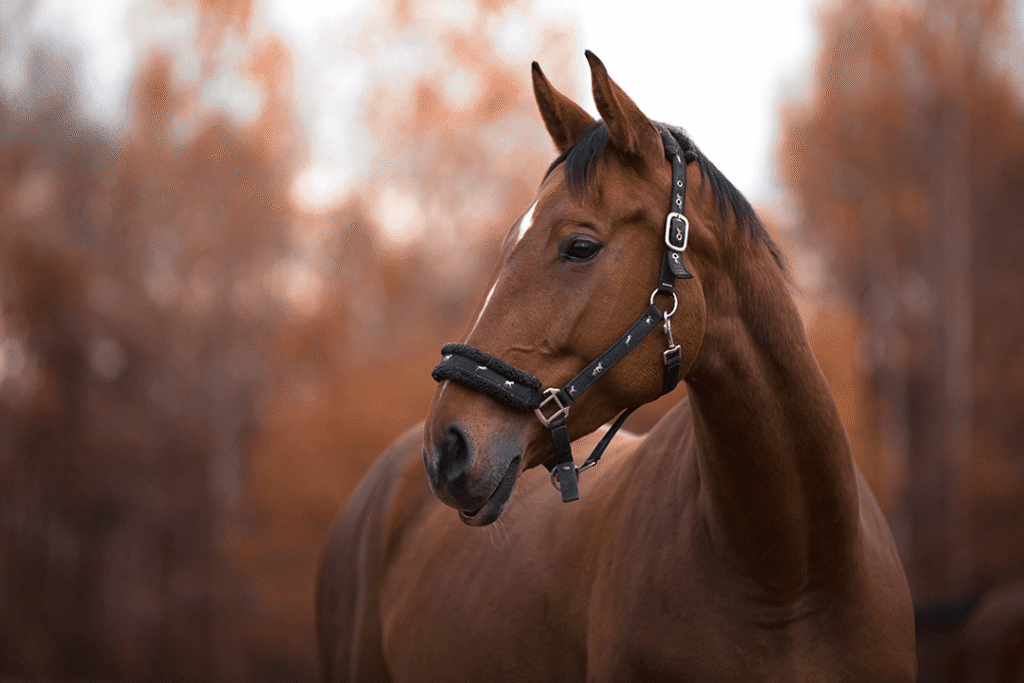
Tendon and ligament injuries are among the most frustrating conditions faced by horse owners, trainers, and veterinarians. Whether affecting a performance horse, pleasure horse, or young athlete, these injuries often require lengthy rehabilitation periods and can significantly impact future soundness. Fortunately, advances in veterinary medicine have created new treatment options that improve healing and help…
Read MoreRecommended Equine Vaccination Schedule in Georgia: Core vs Risk-Based Vaccinations
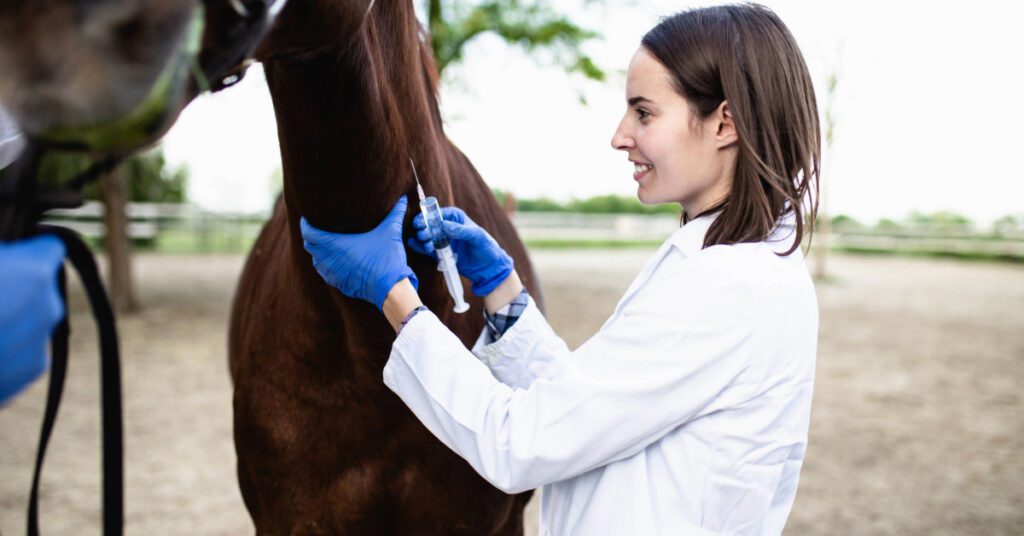
Vaccinations are one of the most important and effective ways to protect your horse’s long term health. In a state like Georgia, where warm temperatures, insects, and horse movement are common year round, maintaining an appropriate vaccination schedule is essential. At Countryside Equine Hospital, we work closely with horse owners to develop customized vaccination programs.…
Read MoreMetabolic Problems in Horses — How to Catch Metabolic Disease Early
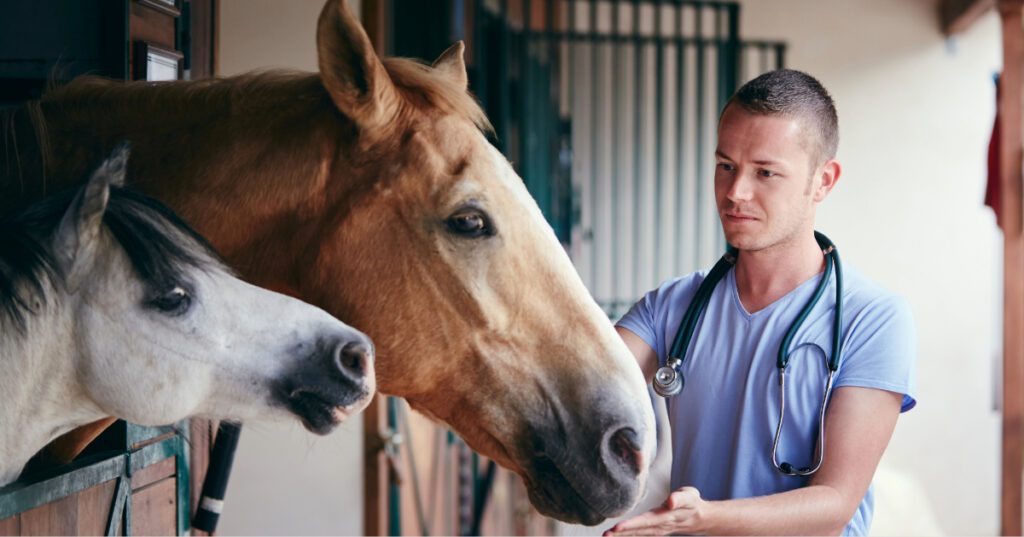
If your horse seems “off,” gaining weight easily, losing topline muscle, acting sluggish, developing hoof sensitivity, or battling recurring infections, you’re probably not imagining things. Equine metabolic disorders such as PPID (Cushing’s disease), insulin resistance (IR), and Equine Metabolic Syndrome (EMS) develop gradually and often go unnoticed until complications arise. The good news? With proactive…
Read MoreNo Hoof, No Horse: What Great Farriers Protect First (and Why It Matters More Than You Think)
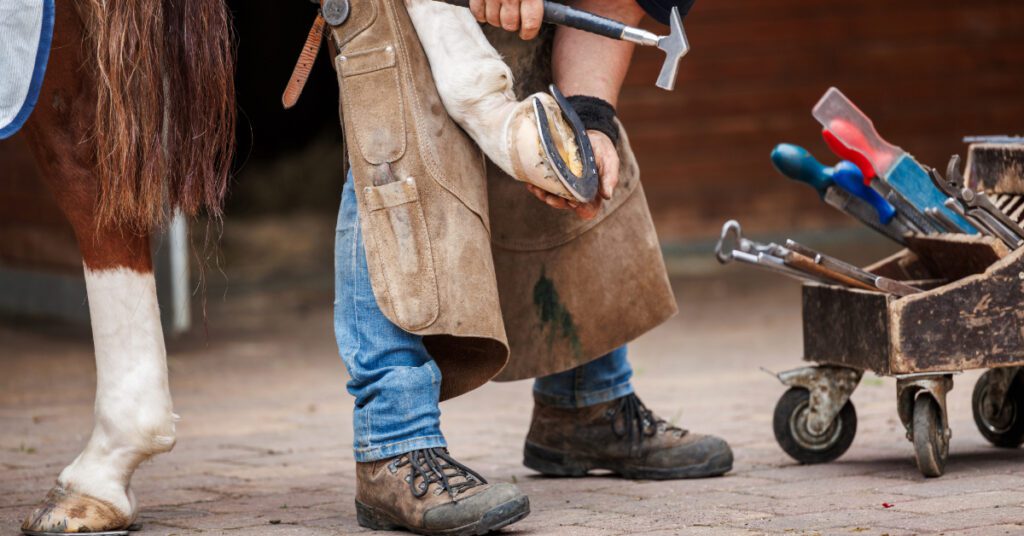
Horse owners hear the phrase “no hoof, no horse” all the time, but most people don’t understand what that really means in the day-to-day decisions that keep an athlete sound. In Episode 20 of The Equine Vet Connect Podcast, Dr. Dan Carter sits down with local farrier Kyle Schmidt to break down what matters most…
Read MoreFoot Mapping Explained: Why the Frog Comes First and Balance Comes From Landmarks
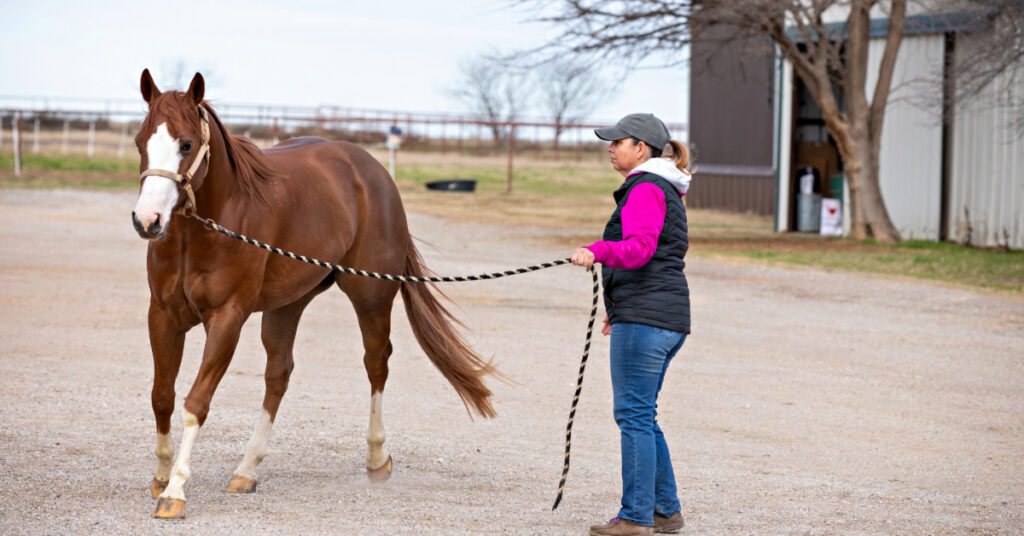
Foot mapping is the process of using consistent anatomical landmarks — not guesswork — to balance a hoof under the limb and protect long-term soundness. When done correctly, it removes subjectivity from trimming and creates predictable, repeatable results. In Episode 20 of The Equine Vet Connect Podcast, Dr. Dan Carter and farrier Kyle Schmidt break…
Read MoreWhy Hind Feet, Traction, and Purchase Matter More Than Most Owners Realize
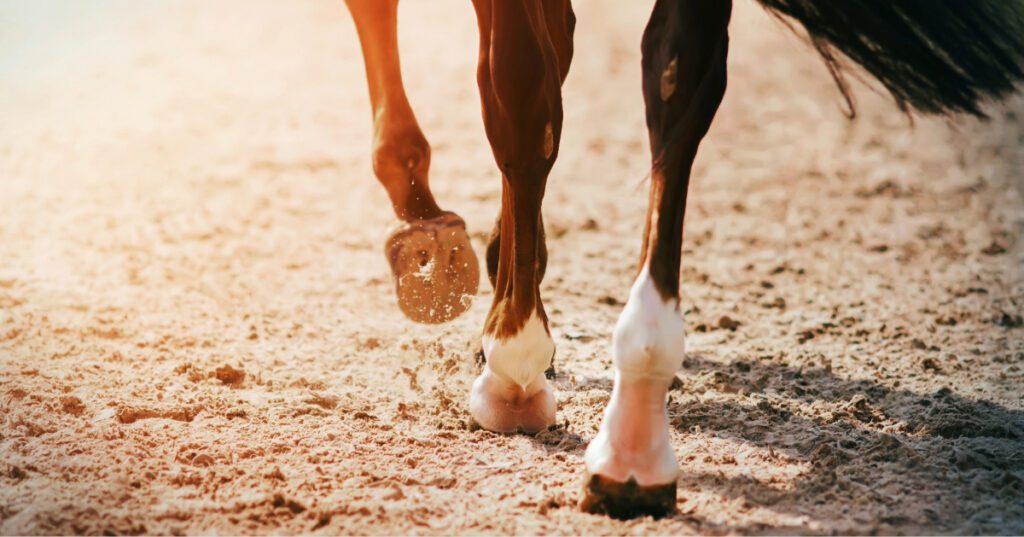
Because the hind end is the engine and when a horse can’t grab the ground behind, the front end pays the price. Many front-end soreness issues don’t start in the front feet at all. They begin with slipping, instability, and lack of purchase in the hind feet. In Episode 20 of the Equine Vet Connect…
Read MoreVertical Depth vs. Toe Length: What Horse Owners Get Wrong About “Long Feet”
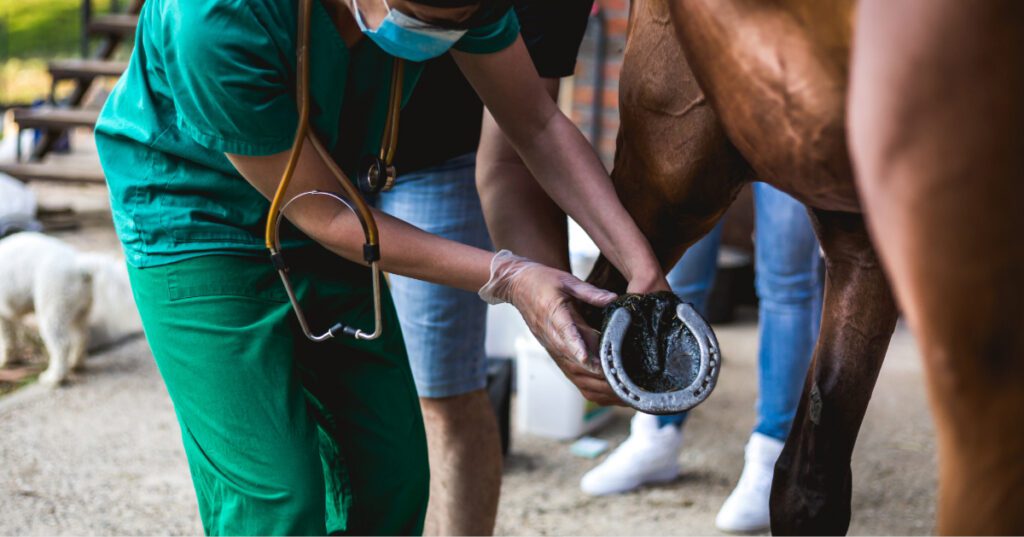
Vertical depth is not the same thing as toe length and confusing the two is one of the fastest ways to create sore, unhealthy feet. A hoof can look “long” and still be correctly balanced, while a short-looking foot can be dangerously under-protected. This misunderstanding shows up constantly in performance barns, and it’s a major…
Read MoreInsulin Resistance in Horses: Why High Insulin Leads to Laminitis
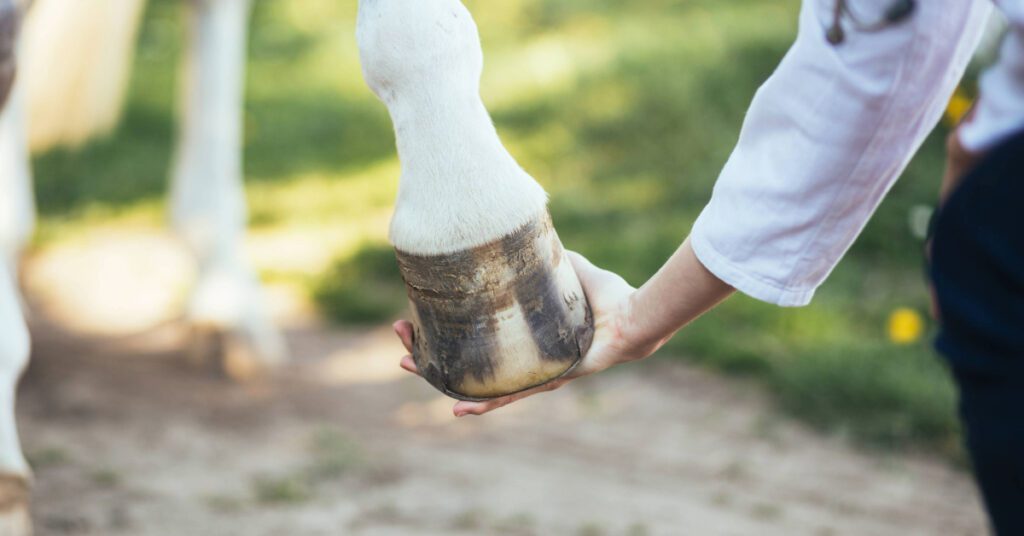
Insulin resistance in horses is one of the most common — and most dangerous — metabolic conditions veterinarians see today. When insulin levels stay too high for too long, the risk of laminitis increases dramatically. The challenge is that insulin resistance often develops quietly, with few obvious signs until a crisis occurs. Understanding what insulin…
Read MoreWhy Farriers Are Often the First to Spot Metabolic Disease in Horses
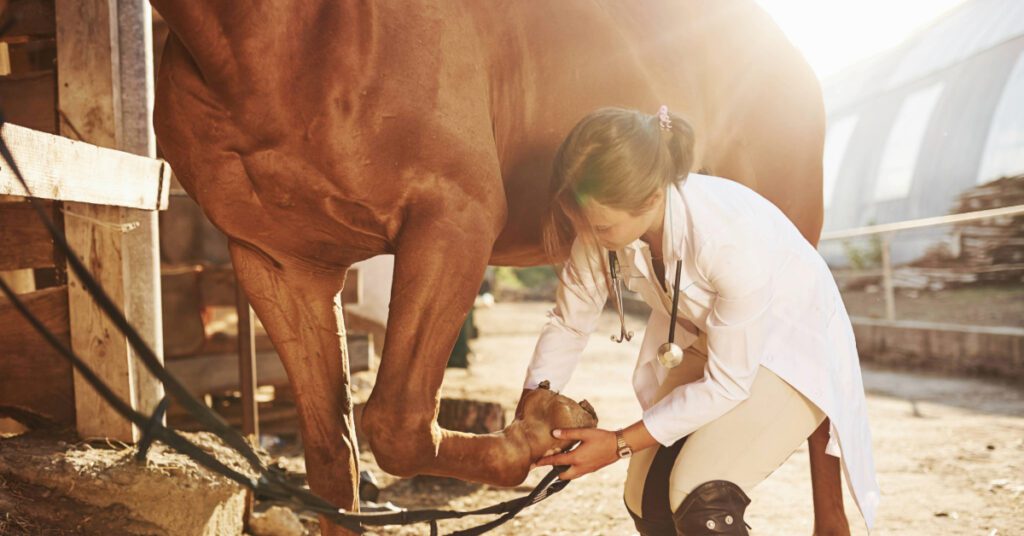
Metabolic disease in horses rarely announces itself loudly at first. Long before bloodwork changes or obvious symptoms appear, subtle changes begin in the feet — and farriers are often the first professionals to notice. Because the hoof reflects internal health so clearly, farriers play a critical role in identifying early warning signs of metabolic disease…
Read MoreWhat Are the Early Signs of Cushing’s Disease (PPID) in Horses?
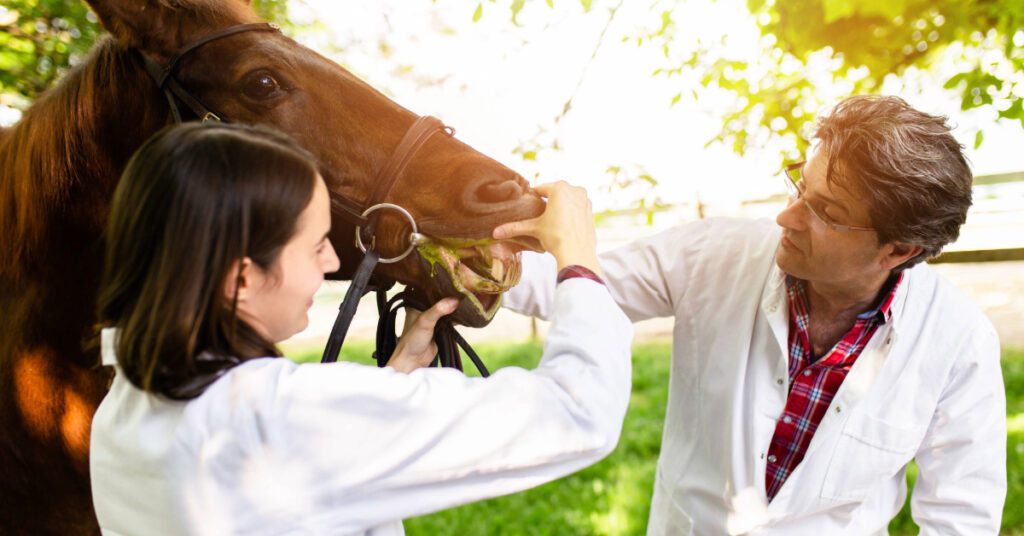
Cushing’s disease in horses — properly called Pituitary Pars Intermedia Dysfunction (PPID) — often develops quietly. Long before the classic long, curly hair coat appears, subtle changes in muscle tone, energy, immunity, and hoof health can signal a problem. Recognizing these early signs allows veterinarians to diagnose PPID sooner, begin treatment earlier, and dramatically reduce…
Read More