

Recommended Equine Vaccination Schedule in Georgia: Core vs Risk-Based Vaccinations
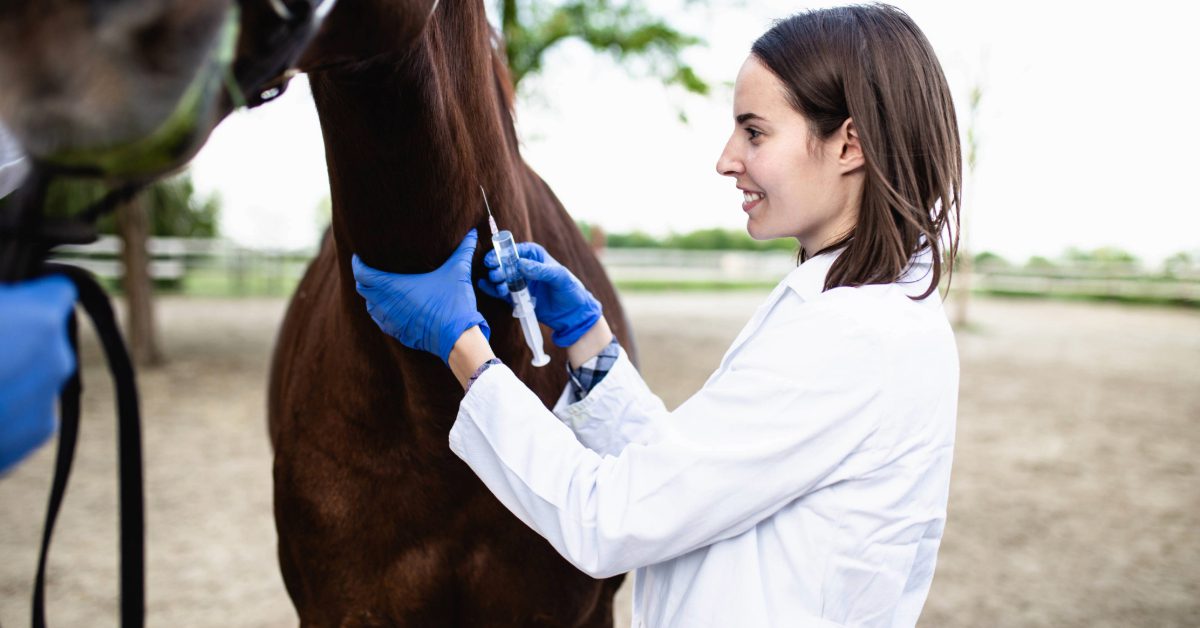
Vaccinations are one of the most important and effective ways to protect your horse’s long term health. In a state like Georgia, where warm temperatures, insects, and horse movement are common year round, maintaining an appropriate vaccination schedule is essential.
At Countryside Equine Hospital, we work closely with horse owners to develop customized vaccination programs. While there is no one size fits all plan, understanding the difference between core and risk based vaccines is the first step toward making informed decisions for your horse.
Why Vaccines Matter for Horses
Vaccines help stimulate your horse’s immune system to recognize and fight off specific diseases. This reduces the risk of infection and can lessen the severity of illness if exposure does occur.
In Georgia, horses are exposed to a variety of disease risks due to:
- Long mosquito seasons
- Frequent travel for shows and events
- Close contact with other horses
Because of these factors, vaccination protocols in the Southeast often differ slightly from other regions and may require more frequent boosters.
What Are Core Vaccines for Equine?
Core vaccines are considered essential for every horse, regardless of age, use, or location. These vaccines protect against diseases that are widespread, highly fatal, or pose a risk to both horses and humans.
The American Association of Equine Practitioners identifies the following as core vaccines:
- Tetanus
- Eastern and Western Equine Encephalitis
- West Nile Virus
- Rabies
Recommended Frequency for Core Vaccines
Most core vaccines are given annually, but in Georgia, some may be administered more frequently due to environmental risk:
- Eastern and Western Equine Encephalitis and West Nile Virus: Annually, but often every 6 months in high risk regions with extended mosquito seasons, such as Georgia
- Tetanus: Annually, with boosters recommended after injury or surgery
- Rabies: Annually
Because mosquito borne diseases like West Nile Virus and Eastern Equine Encephalitis are prevalent in the Southeast, semi-annual boosters are commonly recommended for optimal protection.
What Are Risk Based Vaccines for Equine
Risk based vaccines are optional but often highly recommended depending on your horse’s lifestyle, environment, and exposure level. These vaccines are selected after evaluating your horse’s individual risk factors.
Common risk based vaccines include:
- Equine Influenza
- Equine Herpesvirus also known as Rhinopneumonitis
- Strangles
- Potomac Horse Fever
- Botulism
- Leptospirosis
When Are Risk Based Vaccines Needed
Your veterinarian may recommend these vaccines if your horse:
- Travels for shows, competitions, or trail riding
- Is boarded or exposed to new horses frequently
- Lives in areas with standing water or heavy insect populations
- Is located in regions where certain diseases are more prevalent such as Potomac Horse Fever
Recommended Frequency for Risk Based Vaccines
Unlike core vaccines, frequency varies:
- Equine Influenza and Herpesvirus: Every 6 months, sometimes more frequently for performance horses
- Strangles: Every 6 to 12 months depending on exposure risk and horse’s medical history
- Potomac Horse Fever and Botulism: Varies, consult with your veterinarian
Ultimately, these decisions should always be made in partnership with your veterinarian.
Why Georgia Horses Often Need More Frequent Vaccination
Georgia’s climate plays a major role in vaccination planning. Warm temperatures and high humidity extend mosquito activity, increasing the risk of diseases like West Nile Virus and Eastern Equine Encephalitis.
Additionally, horses in this region often:
- Have longer riding and competition seasons due to moderate climate year- round
- Experience increased exposure to insects and wildlife
- Interact with a larger number of horses year round
Because of this, many horses benefit from biannual vaccination schedules, particularly for mosquito borne and respiratory diseases.
Customizing Your Horse’s Vaccine Program
One of the most important things to understand is that there is no universal vaccination schedule for all horses. Each plan should be tailored based on:
- Age and health status
- Travel and competition schedule
- Boarding situation
- Regional disease risks
Even within the same barn, different horses may require different vaccine protocols. Vaccination programs should always be developed in consultation with a veterinarian to ensure the best protection.
Partner With Your Veterinarian for the Best Protection
Vaccines are a critical component of preventative care, but they are only one piece of the puzzle. Good biosecurity, proper nutrition, and routine veterinary care all play a role in keeping your horse healthy.
If you are unsure whether your horse is up to date on vaccines or if you are new to horse ownership, our team is here to help. Call Countryside Equine Hospital today at (770) 787-4711 to discuss your horse’s vaccination needs with our experienced team.
Recent Posts
About Us
For over 30 years, Countryside Equine Hospital has been a trusted partner for horse owners across Covington, GA. Founded by Dr. Carter, our practice began as a small operation in a garage and has grown into a state-of-the-art equine and small animal veterinary facility. Today, we combine our legacy of Southern hospitality with advanced equine medicine, offering services tailored to meet the unique needs of every horse, from top-performing athletes to beloved pasture companions.