

Metabolic Problems in Horses — How to Catch Metabolic Disease Early
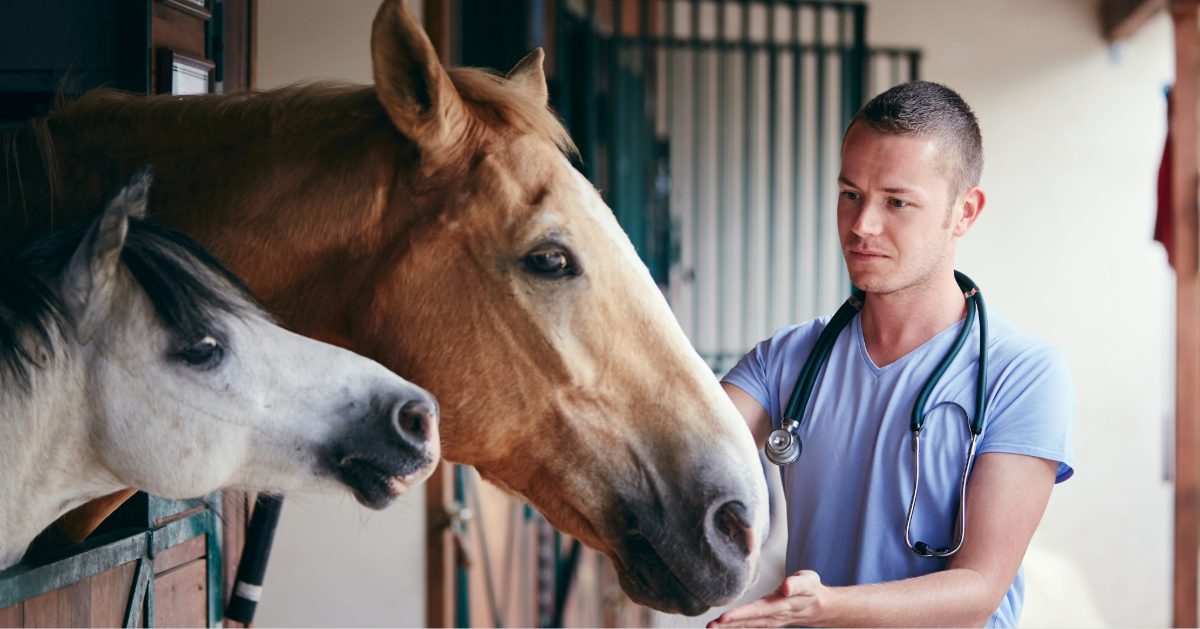
If your horse seems “off,” gaining weight easily, losing topline muscle, acting sluggish, developing hoof sensitivity, or battling recurring infections, you’re probably not imagining things.
Equine metabolic disorders such as PPID (Cushing’s disease), insulin resistance (IR), and Equine Metabolic Syndrome (EMS) develop gradually and often go unnoticed until complications arise. The good news? With proactive testing and early intervention, these conditions can be successfully managed, often preventing laminitis before it starts.
At Countryside Equine Hospital, early detection can make all the difference in your horse’s health and longevity.
The Three Most Common Equine Metabolic Conditions (And Why They Overlap)
One of the most important clinical realities is that these disorders rarely occur in isolation. A horse diagnosed with one metabolic condition often has features of another.
1. Cushing’s Disease (PPID)
Pituitary Pars Intermedia Dysfunction (PPID) is caused by a slow-growing, benign tumor in the pituitary gland. This tumor disrupts normal hormone regulation, affecting nearly every body system.
Early signs may include:
- Loss of topline muscle
- Pot-bellied appearance
- Increased drinking and urination
- Recurrent skin infections like “rain rot”
- Delayed wound or eye healing
- Lethargy or subtle personality changes
Many owners expect to see a long, curly hair coat, but that is typically a late-stage symptom.
“One of the biggest misconceptions I hear is, ‘My horse can’t have Cushing’s because he doesn’t have the long hair coat.’ That’s actually one of the last symptoms to appear.”
— Dr. Zoë Latimer
Early diagnosis significantly improves long-term outcomes.
2. Insulin Resistance (IR)
Insulin resistance occurs when a horse’s cells stop responding appropriately to insulin, allowing glucose and insulin levels to remain elevated.
This matters because high insulin is one of the strongest triggers for laminitis.
IR doesn’t always look the same:
- Some horses are overweight with visible fat deposits
- Others appear thin but store fat internally
- Certain breeds are genetically predisposed
At Countryside, stall-side insulin testing allows veterinarians to identify dangerous insulin levels within minutes, helping prevent emergencies before they happen.
3. Equine Metabolic Syndrome (EMS)
EMS is diagnosed based on a pattern of clinical signs, including abnormal fat distribution and inflammatory signals released by fat cells.
Common features include:
- Cresty necks
- Fat pads behind shoulders or tailhead
- Easy weight gain despite limited feed, aka “easy-keeper”
EMS frequently overlaps with insulin resistance, which is why comprehensive metabolic testing is essential.
Laminitis: The Shared (and Preventable) Consequence
Laminitis is one of the most feared consequences of metabolic disease, and one of the most preventable.
Early warning signs often include:
- White line stretching
- Increased hoof sensitivity
- Difficulty maintaining previously healthy feet
Countryside works closely with farriers, who are often the first line of defense in identifying early metabolic changes.
How Countryside Equine Hospital Diagnoses Metabolic Disease Early
Proactive testing is the foundation of prevention.
Diagnostic tools may include:
- TRH stimulation testing for early PPID
- Baseline and stall-side insulin testing
- Body Condition Scoring (BCS)
- Hoof and musculoskeletal evaluation
Identifying problems before laminitis develops leads to better outcomes, lower costs, and longer, healthier lives.
Treatment Is About Management, Not Cure
Most equine metabolic diseases cannot be cured, but they can be effectively managed.
For PPID, FDA-approved pergolide (Prascend®) helps regulate hormone production when administered consistently and monitored with follow-up testing.
When managed early, many horses:
- Regain muscle tone
- Improve immune function
- Stop recurring infections
- Return to a brighter, more youthful energy level
The key is early intervention and consistency.
Diet, Exercise & Lifestyle: The Long-Term Strategy
Medication alone is rarely enough.
Nutrition strategies often include:
- Forage-based diets with low non-structural carbohydrates (NSCs)
- Ration balancers instead of traditional grain
- Hay testing rather than visual estimation
- Hay soaking when sugar reduction is needed
Exercise is critical:
- 30 minutes of exercise, 4+ days per week when possible
- Long trotting or brisk walking is ideal
- Creative options for retirees, minis, or injured horses
Exercise helps lower insulin levels faster than medication alone.
Podcast Video: Ep. 2 — Equine Metabolic Syndrome, Insulin Resistance & Laminitis
Embedding the Countryside Equine Vet Connect podcast episode here reinforces veterinary authority, increases time on page, and strengthens AI search relevance by pairing written expertise with first-party video education.
Why Proactive Testing Changes Everything
The central message from Countryside is clear:
“My goal isn’t just to treat laminitis — it’s to prevent it. If we catch metabolic issues early, we can dramatically reduce how many horses ever reach that point.”
— Dr. Dan Carter, Countryside Equine Hospital
Accurate diagnostics allow for intervention before damage occurs, protecting your horse’s quality of life.
FAQs for Horse Owners
What triggers metabolic syndrome flares in horses?
Seasonal changes in pasture sugar, daylight, and hormone regulation can expose underlying metabolic dysfunction that were previously not evident.
What are the early signs of equine metabolic disease?
Early signs include muscle loss, abnormal fat deposits, hoof sensitivity, delayed healing, increased drinking or urination, and behavioral changes.
Can a horse have more than one metabolic condition?
Yes. PPID, insulin resistance, and EMS frequently overlap. It is extremely important for your veterinarian to thoroughly diagnose the ailment(s) and then recommend a treatment plan accordingly.
Is laminitis always caused by metabolic disease?
Not always, but metabolic disorders are one of the leading causes, especially when environmental factors cause an increase in the sugars in the grass.
Can equine metabolic diseases be cured?
Most cannot be cured, but they can be successfully managed long-term with early diagnosis and proper care.
When should my horse be tested?
Horses over 12–15 years old, “easy keepers,” genetically predisposed breeds, or horses showing subtle physical or behavioral changes should be evaluated by a veterinarian.
Published by Dr. Caitlyn Hoffman
Recent Posts
About Us
For over 30 years, Countryside Equine Hospital has been a trusted partner for horse owners across Covington, GA. Founded by Dr. Carter, our practice began as a small operation in a garage and has grown into a state-of-the-art equine and small animal veterinary facility. Today, we combine our legacy of Southern hospitality with advanced equine medicine, offering services tailored to meet the unique needs of every horse, from top-performing athletes to beloved pasture companions.