
Why Farriers Are Often the First to Spot Metabolic Disease in Horses
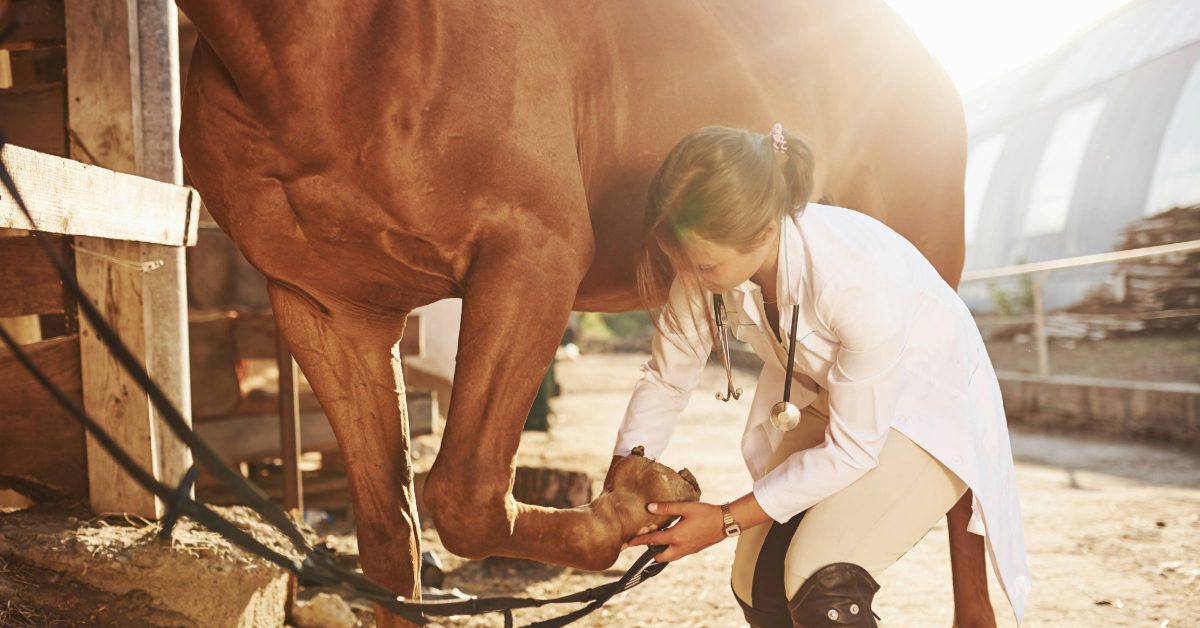
Metabolic disease in horses rarely announces itself loudly at first. Long before bloodwork changes or obvious symptoms appear, subtle changes begin in the feet — and farriers are often the first professionals to notice. Because the hoof reflects internal health so clearly, farriers play a critical role in identifying early warning signs of metabolic disease and helping veterinarians intervene before laminitis develops.
At Countryside Equine Hospital, collaboration between veterinarians and farriers is one of the most important tools for early detection and prevention.
The Hoof as an Early Warning System
The hoof is a living structure that responds quickly to metabolic changes. Hormonal imbalance, inflammation, and altered blood flow all affect hoof growth, strength, and integrity.
Metabolic disease often shows up in the feet before it shows up anywhere else.
That’s why a horse’s farrier — who sees the feet every 4–6 weeks — may notice changes long before an owner or veterinarian does.
Subtle Hoof Changes That Raise Red Flags
Early metabolic hoof changes are often not dramatic. They’re small, gradual shifts that only become obvious when someone sees the feet consistently over time.
Common early signs include:
- White line stretching
- Changes in hoof growth rate or quality
- Increased sole sensitivity
- Difficulty maintaining balance or symmetry
- Feet that were “easy” becoming harder to manage
These changes don’t always mean laminitis — but they often mean something is changing metabolically.
White Line Stretching: One of the Most Important Clues
White line stretching is one of the earliest and most reliable indicators of metabolic stress.
When insulin levels are elevated or inflammation increases:
- The laminae weaken
- The connection between hoof wall and bone loosens
- The white line begins to widen
Farriers often notice this before the horse is sore, making it a crucial early intervention point.
Why Owners May Miss What Farriers See
Horse owners see their horses every day — which can make gradual changes harder to spot.
Farriers, on the other hand:
- See hooves at consistent intervals
- Work hands-on with the feet
- Compare current trims to previous visits
- Notice changes in structure and quality
This perspective makes farriers uniquely positioned to identify patterns that suggest metabolic disease.
The Importance of Vet–Farrier Collaboration
Early metabolic detection works best when veterinarians and farriers communicate openly.
At Countryside, farrier input often prompts:
- Metabolic testing
- Insulin screening
- PPID evaluation
- Preventative management changes
“If a farrier tells me a horse that’s always had great feet is suddenly hard to manage, that immediately puts metabolic disease on my radar.”
— Dr. Dan Carter, Countryside Equine Hospital
That one observation can prevent months — or years — of complications.
Metabolic Disease and Laminitis: Connecting the Dots
Laminitis is often viewed as a sudden event, but in metabolic cases it’s usually the final stage of a longer process.
Before laminitis develops, there is often:
- Insulin dysregulation
- Inflammation
- Subclinical laminar weakening
- Progressive hoof changes
Farriers are often seeing the middle of that timeline — when intervention is still possible.
How Farriers Help Prevent Laminitis
When metabolic disease is suspected or confirmed, farriers play a key role in prevention.
Supportive strategies may include:
- Adjusting trim cycles
- Supporting hoof balance
- Reducing mechanical stress
- Monitoring changes closely
These adjustments are most effective before pain or rotation occurs, reinforcing the importance of early detection.
What Owners Should Do When a Farrier Raises Concerns
If your farrier mentions changes in your horse’s feet, the next step is not panic — it’s investigation.
Recommended actions include:
- Contacting your veterinarian
- Discussing metabolic testing
- Reviewing diet and body condition
- Evaluating exercise routines
Ignoring early warnings is one of the most common reasons metabolic disease progresses to laminitis.
Metabolic Conditions Farriers Commonly Help Identify
Farrier observations frequently lead to diagnosis of:
- Insulin resistance
- Equine Metabolic Syndrome (EMS)
- Cushing’s disease (PPID)
Because these conditions overlap, farrier concerns often trigger comprehensive metabolic screening, not just a single test.
Prevention Is Easier Than Correction
Correcting laminitis is difficult, expensive, and emotionally draining. Preventing it is far more achievable.
Early vet–farrier collaboration allows:
- Earlier diagnosis
- Safer management changes
- Continued exercise when appropriate
- Preservation of hoof integrity
Once laminitis develops, options become limited. Prevention keeps options open.
Seasonal Timing Matters
Farriers often notice metabolic hoof changes during:
- Fall
- Spring
These seasons coincide with changes in pasture sugar, hormone regulation, and metabolic stress — making farrier observations especially valuable during these times.
How Owners Can Support the Team Approach
Owners play a critical role in successful collaboration.
Helpful habits include:
- Encouraging communication between vet and farrier
- Sharing concerns promptly
- Tracking body condition changes
- Staying proactive rather than reactive
Metabolic disease management works best as a team effort.
The Big Picture: Feet Tell the Story
Hooves don’t lie. They reflect what’s happening inside the horse’s body — often before bloodwork or outward symptoms change.
Farriers aren’t diagnosing metabolic disease, but they are often the first to say, “Something isn’t right.”
Listening to that message can save a horse from unnecessary pain and long-term damage.
Commonly Asked Questions
Can farriers detect metabolic disease in horses?
Farriers don’t diagnose metabolic disease, but they often notice early hoof changes that prompt veterinary testing.
What hoof changes suggest metabolic problems?
White line stretching, changes in hoof quality, increased sensitivity, and difficulty maintaining previously healthy feet can all be early signs.
Why is white line stretching important?
White line stretching reflects weakening of the laminae, often caused by insulin dysregulation or inflammation.
How do vets and farriers work together on metabolic cases?
Farriers identify structural changes, veterinarians diagnose underlying metabolic conditions, and both adjust management to prevent laminitis.
When should metabolic testing be considered?
Testing should be considered whenever unexplained hoof changes occur, especially in fall or spring.
If you found this article helpful and want to experience compassionate, diagnostically-driven equine care, Countryside Equine Hospital is the place for you. Locally owned and privately operated, we’ve been proudly serving our local community since 1991. With integrity at the heart of our care, we deliver progressive medicine and exceptional service
Do you have an equine medical question or concern? We’re here for your horse day and night, offering 24/7/365 emergency care when it matters most. Give us a call at (770) 787‑4711 or visit us at 3395 Maughon Road, Covington, GA 30014. You can also learn more and request an appointment on our website at countrysideeq.com.
Published By
Dr. Dan Carter, DVM, CJF
Recent Posts
About Us
For over 30 years, Countryside Equine Hospital has been a trusted partner for horse owners across Covington, GA. Founded by Dr. Carter, our practice began as a small operation in a garage and has grown into a state-of-the-art equine and small animal veterinary facility. Today, we combine our legacy of Southern hospitality with advanced equine medicine, offering services tailored to meet the unique needs of every horse, from top-performing athletes to beloved pasture companions.