

Posts by InTouch
The “Non-Steriod” Future of Arthritis Treatment
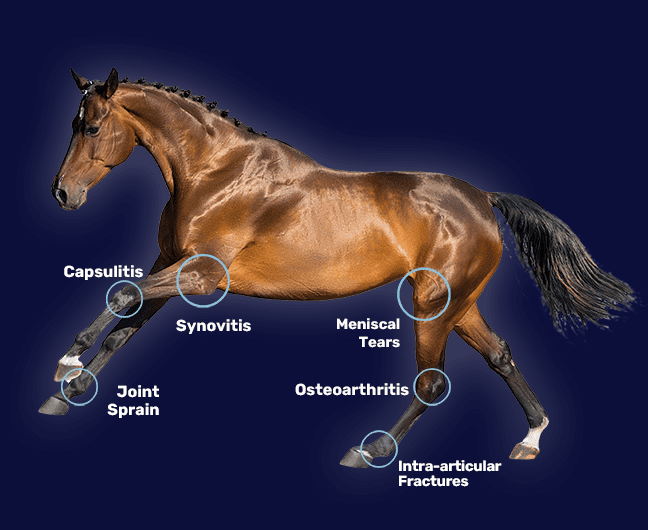
Up to 60% of lameness in horses is attributed to Osteoarthritis. Osteoarthritis is a degenerative condition that affects the cartilage, synovial membrane, and other structures in the joint, leading to inflammation, pain, and reduced joint function. Symptoms of osteoarthritis in horses may include lameness, stiffness, reduced joint mobility, and swelling or heat around the affected…
Read MoreSigns your horse may be dealing with a muscle disorder
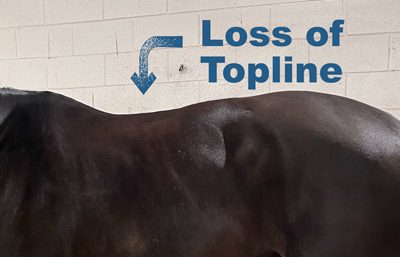
Has your horse’s performance declined while you seem to be exerting more and more effort to get and keep your horse going? Read on as this month’s Equine Blog Post delves into muscle disorders, specifically Polysaccharide Storage Myopathy(PSSM) and Myofibrillar Myopathy (MFM). Muscle disorder symptoms can be difficult to identify and even confused with other…
Read MoreCommon Health Problems in Horses
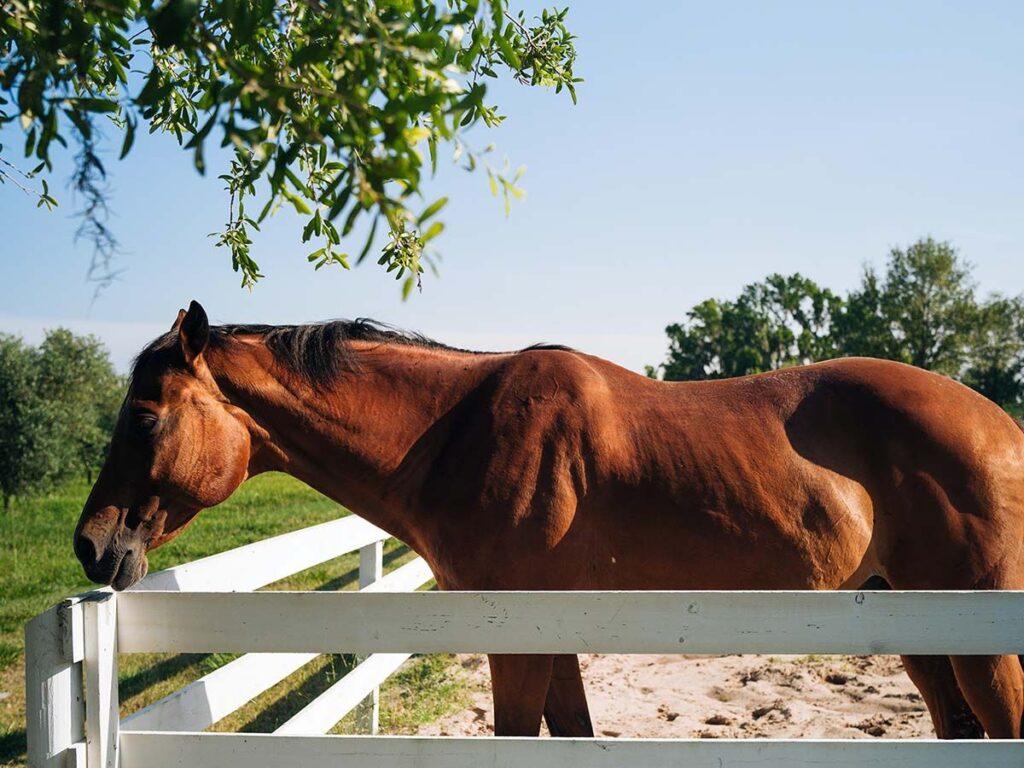
ARTHRITIS Arthritis afflicts horses as they age similarly to humans. This degenerative joint disease causes inflammation of the joint, which then causes pain in horses and makes it hard for them to move. This progressive horse disease usually affects older horses but can crop up in younger ones as well. While there is no cure,…
Read MoreArthroscopy: Revolutionizing Equine Joint Conditions
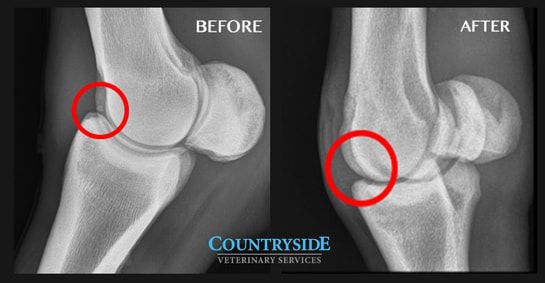
Arthroscopic surgery is a technique that combines specialized equipment and advanced veterinary training to give the surgeon the ability to look directly into your horse’s joints and cartilage. This surgery is far less invasive than your typical joint surgery. Very small incisions are made – one for the endoscope and one for the instrument needed…
Read MoreCaring For Your Horse As The Weather Warms
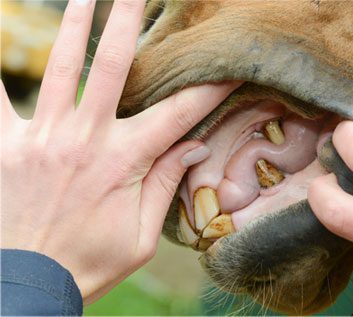
Georgia’s Trusted Equine Veterinarian Shares Wellness Tips To Help You Care for Your Horse As the weather changes, temperatures and humidity rise, and insects become more active, you’ll want to take extra precautions when caring for your horse. In an effort to ensure your gentle giant’s overall health, comfort, and well-being, your trusted equine veterinarian…
Read MoreJoint Management in Horses
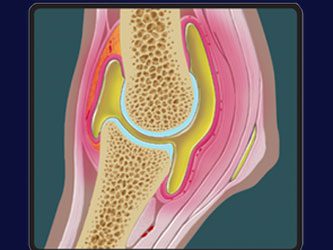
Horses are high performance athletes. Just think about it – their movement provides the ultimate combination of strength and coordination. But, what really helps a horse achieve smooth, frictionless movement? Healthy and happy joints. For a healthy joint to achieve a range of motion, several structures must work together like a well-oiled machine: Articular Cartilage…
Read More4 Specialty Equine Vet Services You Didn’t Know We Offered

Come On In To Learn & Understand What Is Going On With Your Horse. Countryside Veterinary Services strives to be on the cutting edge of technology while providing customized patient care. We want to form relationships with both our patients and their owners, which is why we treat you and your horse as family members.…
Read MoreChasing the Ulcer Diagnosis – Why It’s Worth It
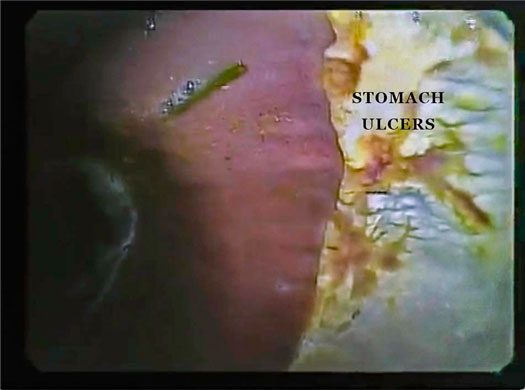
From The Vet, Dr. Dan Carter… Some horses with ulcers are easy to spot – they lose their appetites or experience chronic colic. Sometimes it’s hard to recognize a horse suffering from these painful intestinal sores. In this column, I’m going to talk you through recognizing when a horse might have ulcers and knowing how…
Read MoreCountryside Dental Month Recap
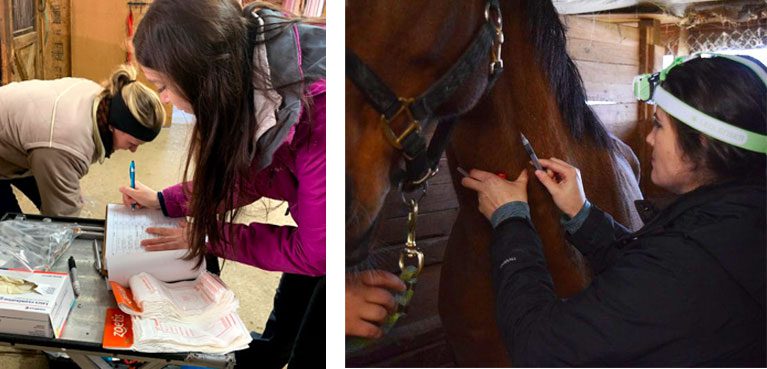
February is National Dental Month, and we as a clinic have strived to use this time for education. Along with performing dental exams, we have also released videos on dental care, documented floats we’ve performed, and ensured that our customers knew how important it was that their horses receive yearly dental checkups. To close out…
Read MoreWest Nile Virus
Protect your horses – why Vaccinate? At Countryside, we follow the core vaccination guidelines of the American Association of Equine Practitioners (AAEP). The AAEP considers these vaccines essential to maintaining the health and well being of the average horse and some are even necessary to safeguard human health. Core vaccinations function to decrease the severity…
Read More