
Expert Insights and Heartfelt Stories
At The Equine Vet Connect Podcast, we’re dedicated to delivering expert insights, industry updates, and practical knowledge about equine veterinary care. Our mission is to break down complex topics into clear, accessible discussions—helping horse owners, trainers, and enthusiasts stay informed and empowered.
Have a Topic in Mind?
We love hearing from our listeners! If there's a topic you're curious about—whether it's equine health, training, industry trends, or beyond—let us know. Your suggestion might just inspire our next episode!
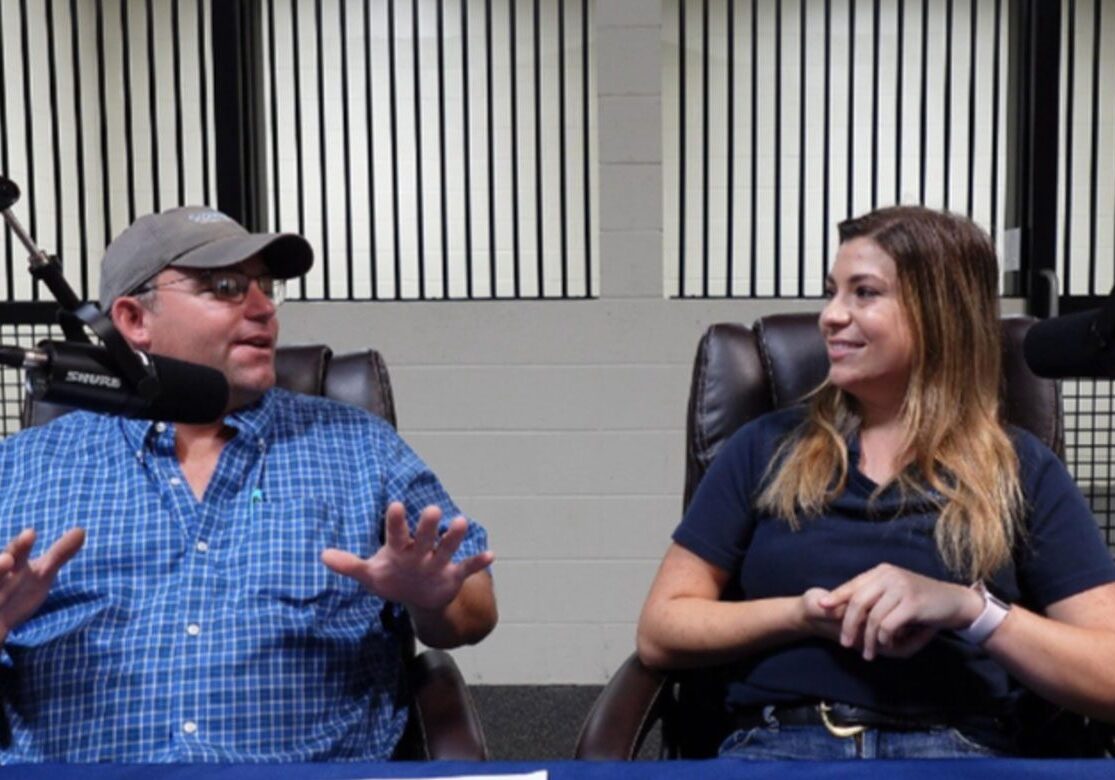
Watch Us on YouTube!
Catch full episodes and exclusive content on our YouTube channel, @countrysidevets2216. Click below to explore our latest videos.
Listen to Any of Our Episodes
If you are unable to watch your episode of choice, you can listen to them here!

Welcome to The Equine Vet Connect Podcast! Our goal is to bring you factual, in-depth information of the happenings in the equine veterinary industry and help break it down to be easier to understand.
When should you blanket your horse, and how do you know which blanket is right? In this episode of The Equine Vet Connect, Dr. White, Caroline, and special guest Nikki McManus of Tantivy Tack & Laundry FKA Tantivy Tack Exchange break down horse blanketing essentials, including blanket weights, proper fit, layering, waterproofing, and winter horse care. Plus, learn how proper horse blanket cleaning, repairs, and maintenance can extend the life of your blankets while keeping your horse comfortable and protected throughout the colder months.
Our Podcast Episodes
Whether you’re on the road or cleaning out the barn, plug into our latest podcasts to stay up to date on current trends and news in the equine world.
Ep. 53 – Lasix in Horses Explained
Ep. 52 – EPM in Horses Part 2
Ep. 20 – No Hoof, No Horse
Ep. 19 – So You Want to Breed Your Mare?
Ep. 3 – Colic Chronicles: Understanding the Causes
Ep. 2 – Equine Metabolic Syndrome, Insulin Resistance, and Laminitis, Oh My!
Ep. 1 – The Pilot
- « Previous
- 1
- 2
Be Our Guest
Ready for your time to shine on The Equine Vet Connect podcast? Fill out the form below to request to be a guest host.